Blog
The Rise of Cocaine in Latvia: What You Need to Know

The Rise of Cocaine in Latvia: What You Need to Know
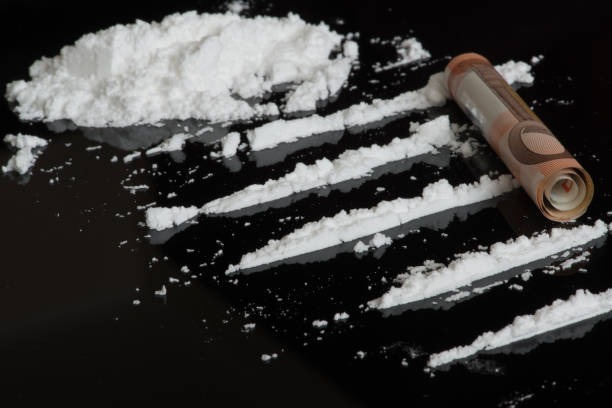
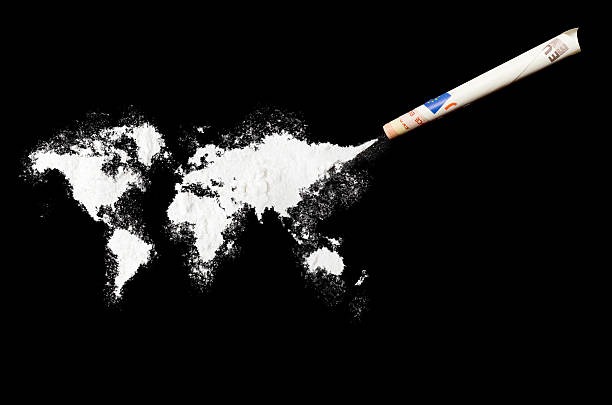
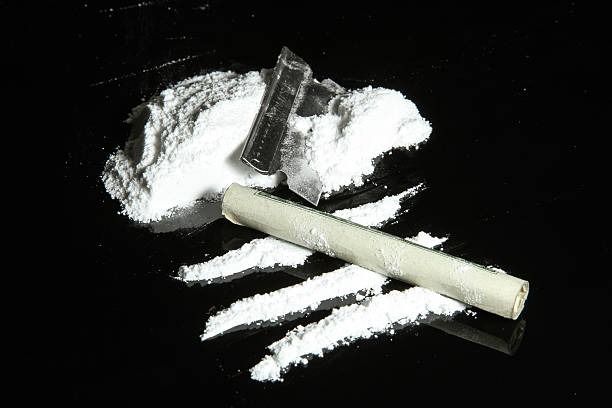
The Rise of Cocaine in Latvia: What You Need to Know. In recent years, conversations around drug use in Latvia have become more urgent, particularly concerning the presence and growing visibility of cocaine. While historically not among the highest drug-consuming nations in Europe, Latvia is now facing shifting trends that reflect broader changes across the continent. From trafficking routes to changing social patterns, the story of cocaine in Latvia is complex—and important to understand.
Understanding the Drug Landscape in Latvia
Latvia has long maintained relatively moderate levels of illicit drug use compared to many Western European countries. Data suggests that cocaine use has traditionally been low, with only a small percentage of the population reporting recent use. For example, among young adults aged 15–34, about 2% reported using cocaine in the past year in recent surveys.
However, these numbers don’t tell the full story. While overall usage rates remain comparatively modest, there are clear signs that the situation is evolving. Drug-related deaths have risen sharply in recent years, indicating a broader shift in substance use patterns and risks.
Cocaine, once considered a niche or luxury drug in Latvia, is becoming more visible in nightlife scenes, urban environments, and among younger populations.
Latvia as a Strategic Transit Hub
One of the most critical factors behind the rise of cocaine in Latvia is its geographic position. Located in the Baltic region with access to major shipping routes, Latvia has increasingly been used as a transit country for drug trafficking.
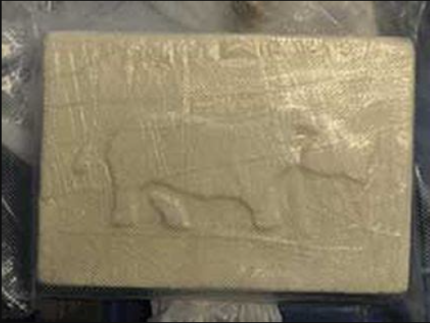
Law enforcement agencies have uncovered large-scale operations that highlight the scale of this issue. In one notable case, authorities seized more than two tonnes of cocaine—one of the largest drug busts in the country’s history.
This seizure revealed several key insights:
-
Latvia is part of international trafficking routes linking South America to Europe.
-
Much of the cocaine passing through Latvia is intended for other markets, such as Scandinavia or Russia.
-
Organized crime networks play a major role in distribution.
Even if much of the drug supply is not meant for local consumption, increased trafficking inevitably raises local availability, which can influence usage trends.
Changing Social Trends and Accessibility
Across Europe, cocaine has become more accessible due to increased production and more efficient trafficking networks. Latvia is not immune to these trends.
Several factors are contributing to changing patterns:
1. Increased Availability
As trafficking routes expand, cocaine becomes easier to obtain. Larger supply often leads to lower prices, making the drug more accessible to a wider demographic.
2. Urban Nightlife Culture
Cities like Riga have seen a growth in nightlife and entertainment industries, where stimulant drugs like cocaine are sometimes associated with social events and parties.
3. Shifting Perceptions
Cocaine is often perceived differently from other drugs, sometimes viewed as less dangerous than opioids. This perception can contribute to experimentation, particularly among young professionals.
The Role of Organized Crime
Drug trafficking in Latvia is closely linked to organized crime. Since the 1990s, criminal networks have expanded their operations, moving from small-scale production to large, transnational systems.
Latvia has been identified as a key point in heroin and cocaine trafficking routes, often controlled by international crime groups.
These organizations:
-
Coordinate shipments across borders
-
Use Latvia’s ports and infrastructure
-
Distribute drugs across Europe
The presence of such networks not only increases drug flow but also contributes to related issues like money laundering and corruption.
Public Health Concerns
While cocaine itself is a stimulant, its use often intersects with other substances, creating serious health risks. In Latvia, the rise in drug-related deaths is particularly alarming.
Recent data shows a sharp increase in overdose deaths, reaching record highs in the past few years.
Although opioids remain the leading cause of fatal overdoses, cocaine is increasingly involved in cases of poly-drug use—where multiple substances are taken together. This combination significantly raises the risk of fatal outcomes.
Health risks associated with cocaine include:
-
Cardiovascular problems
-
Addiction and dependency
-
मानसिक स्वास्थ्य issues such as anxiety and paranoia
-
Increased risk when mixed with alcohol or opioids
Legal Consequences in Latvia
Latvia maintains strict drug laws, and cocaine is classified as an illegal substance. Possession, distribution, and trafficking can lead to severe penalties, including imprisonment.
Legal consequences may include:
-
Criminal charges for possession
-
Long-term prison sentences for trafficking
-
Fines and a permanent criminal record
Law enforcement agencies in Latvia are actively working with international partners to combat drug trafficking and reduce supply chains.
Prevention and Awareness Efforts
Recognizing the growing challenges, Latvian authorities and organizations are focusing on prevention and education.
Key strategies include:
-
Public awareness campaigns about drug risks
-
Increased funding for addiction treatment services
-
Collaboration with European agencies
-
Monitoring and early warning systems for emerging drug trends
Education plays a crucial role, particularly among young people, in preventing drug experimentation from turning into long-term addiction.
A Broader European Context
The rise of cocaine in Latvia is not happening in isolation. Across Europe, cocaine is now the second most commonly used illicit drug after cannabis, with millions of users reported annually.
This broader trend highlights:
-
Increased global production
-
More efficient trafficking networks
-
Changing consumer behavior
Latvia’s experience reflects these wider patterns, making it part of a continental challenge rather than a standalone case.
What the Future Holds
While Latvia does not yet face a full-scale cocaine epidemic, the warning signs are clear. Rising overdose deaths, increased trafficking activity, and shifting social attitudes all point toward a growing issue that requires attention.
Moving forward, the country’s response will likely depend on:
-
Strengthening law enforcement cooperation
-
Expanding public health initiatives
-
Addressing root causes such as social inequality and mental health
Early intervention and sustained awareness will be key to preventing the situation from escalating further.
Conclusion
The rise of cocaine in Latvia is a multifaceted issue shaped by geography, global drug trends, and local social dynamics. While usage rates remain relatively low compared to some European countries, the increasing presence of cocaine—both as a transit commodity and a recreational drug—cannot be ignored.
Understanding these trends is essential not only for policymakers and law enforcement but also for individuals and communities. Awareness, education, and proactive measures will play a crucial role in shaping Latvia’s future response to this evolving challenge.