
Blog
The Physical and Mental Health Impact of Cocaine Use


The Physical and Mental Health Impact of Cocaine Use
The Physical and Mental Health Impact of Cocaine Use. Cocaine is a powerful stimulant drug that affects the central nervous system, producing intense but short-lived feelings of energy, confidence, and euphoria. While these immediate effects may seem appealing to some individuals, cocaine use carries significant physical, psychological, and social risks. Whether used occasionally or regularly, cocaine can have serious consequences that affect nearly every organ system in the body.
Understanding the physical and mental health impact of cocaine use is essential for making informed decisions, recognizing warning signs, and seeking help when needed. This article explores how cocaine affects the body and mind, the risks of addiction, and the importance of treatment and recovery.
What Is Cocaine?
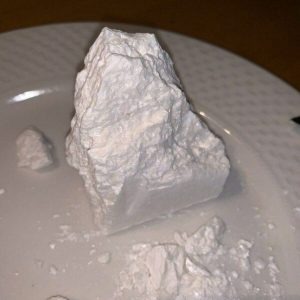
Cocaine is derived from the leaves of the coca plant and is classified as a stimulant. It is commonly found in two primary forms:
- Powder cocaine, typically snorted or dissolved and injected.
- Crack cocaine, a crystallized form that is usually smoked.
Regardless of the method of use, cocaine rapidly increases dopamine levels in the brain, creating intense feelings of pleasure. However, these effects wear off quickly, often leading users to take repeated doses, increasing the risk of dependence and overdose.
Immediate Physical Effects of Cocaine
Shortly after use, cocaine stimulates the nervous system and causes several noticeable physical changes, including:
- Increased heart rate
- Elevated blood pressure
- Dilated pupils
- Increased body temperature
- Reduced appetite
- Heightened energy and alertness
- Rapid breathing
While these effects may seem temporary, they place significant stress on the cardiovascular system. Even first-time use can trigger serious complications in susceptible individuals.
Cardiovascular Health Risks
One of the most dangerous consequences of cocaine use involves the heart and blood vessels.
Cocaine constricts blood vessels while increasing heart rate and blood pressure. This combination significantly raises the risk of:
- Heart attack
- Stroke
- Cardiac arrhythmias
- Heart muscle damage
- Sudden cardiac arrest
Importantly, these events can occur even in young, otherwise healthy individuals without pre-existing heart disease.
Effects on the Brain
Cocaine has profound effects on brain chemistry by flooding the brain with dopamine, the neurotransmitter responsible for pleasure and reward.
Repeated exposure alters normal brain function, making it increasingly difficult for individuals to experience enjoyment from everyday activities without the drug.
Long-term cocaine use may contribute to:
- Memory problems
- Difficulty concentrating
- Poor decision-making
- Reduced impulse control
- Impaired learning abilities
Over time, these neurological changes can interfere with work, education, and relationships.
Mental Health Consequences
The psychological effects of cocaine can be just as serious as its physical impact.
Initially, users may experience:
- Euphoria
- Increased confidence
- Talkativeness
- Excitement
As the drug wears off, however, many experience:
- Anxiety
- Irritability
- Depression
- Fatigue
- Intense cravings
With repeated use, more severe mental health complications may develop, including:
Anxiety Disorders
Frequent cocaine use can increase anxiety levels, causing panic attacks and chronic nervousness.
Depression
Following periods of cocaine use, dopamine depletion often contributes to depressed mood and emotional exhaustion.
Paranoia
Heavy cocaine use may lead individuals to believe others are watching, following, or intending to harm them.
Psychosis
In severe cases, cocaine-induced psychosis may include hallucinations, delusions, and disorganized thinking that require immediate medical attention.
Addiction and Dependence
Cocaine has a high potential for addiction because of its powerful effects on the brain’s reward system.
As tolerance develops, individuals often require larger or more frequent doses to achieve the same effects. This pattern increases the likelihood of dependence and addiction.
Common signs of cocaine addiction include:
- Inability to stop using despite negative consequences
- Strong cravings
- Spending significant time obtaining or using cocaine
- Neglecting responsibilities
- Financial problems
- Withdrawal from family and friends
- Continued use despite health concerns
Addiction is a medical condition—not a lack of willpower—and effective treatments are available.
Long-Term Physical Health Effects
Chronic cocaine use can damage multiple organ systems.
Respiratory Problems
Smoking crack cocaine may contribute to:
- Chronic cough
- Lung inflammation
- Shortness of breath
- Increased risk of respiratory infections
Nasal Damage
Repeated snorting can cause:
- Frequent nosebleeds
- Chronic sinus infections
- Loss of smell
- Damage to nasal tissues
Digestive Complications
Cocaine reduces blood flow throughout the body, including the digestive tract, potentially causing:
- Severe abdominal pain
- Reduced appetite
- Weight loss
- Intestinal damage
Kidney and Liver Damage
Long-term use may also contribute to kidney injury and liver complications, particularly when cocaine is used alongside alcohol or other substances.
Social and Lifestyle Consequences
The effects of cocaine often extend beyond physical health.
Individuals may experience:
- Relationship difficulties
- Workplace problems
- Academic decline
- Financial hardship
- Legal issues
- Social isolation
These challenges frequently reinforce the cycle of addiction, making professional support increasingly important.
Cocaine Overdose
A cocaine overdose is a medical emergency.
Warning signs include:
- Chest pain
- Difficulty breathing
- Seizures
- High fever
- Severe agitation
- Loss of consciousness
- Irregular heartbeat
Anyone experiencing these symptoms should receive immediate emergency medical care. Prompt treatment can save lives.
Recovery Is Possible
Although cocaine addiction can be challenging, recovery is achievable with appropriate treatment and ongoing support.
Evidence-based treatment approaches may include:
- Behavioral therapies such as cognitive behavioral therapy (CBT)
- Contingency management programs
- Individual counseling
- Group therapy
- Family support
- Peer recovery groups
- Treatment for co-occurring mental health conditions
Recovery is often most successful when treatment is personalized to the individual’s needs and supported by family, healthcare professionals, and community resources.
Preventing Cocaine Misuse
Education remains one of the most effective tools for prevention.
Strategies that can reduce the risk of substance misuse include:
- Learning about the health risks associated with stimulant drugs
- Building healthy coping skills for stress
- Seeking help early for anxiety, depression, or trauma
- Maintaining supportive relationships
- Accessing professional mental health services when needed
Communities, schools, healthcare providers, and families all play important roles in promoting prevention and early intervention.
Final Thoughts
Cocaine use can have serious and lasting effects on both physical and mental health. From cardiovascular complications and neurological changes to anxiety, depression, and addiction, the risks extend far beyond the temporary feelings of euphoria the drug may produce.
Recognizing these risks is an important step toward prevention and recovery. If you or someone you know is struggling with cocaine use, reaching out to a healthcare provider or addiction specialist can make a meaningful difference. Early intervention, evidence-based treatment, and ongoing support can help individuals regain their health and improve their quality of life.