Blog
Understanding Cocaine in Australia: A Comprehensive Guide


Understanding Cocaine in Australia: A Comprehensive Guide
Understanding Cocaine in Australia: A Comprehensive Guide. Cocaine remains one of the most widely recognized illicit stimulants worldwide, and Australia is no exception. While it is often associated with nightlife, parties, and high-profile media coverage, cocaine use carries significant health, social, and legal risks. Understanding how the drug affects individuals, the consequences of its use, and the support available for those experiencing problems is essential for making informed decisions.
This comprehensive guide explains what cocaine is, how it affects the body and mind, the risks associated with its use, Australia’s legal framework, and the treatment options available for people seeking help.
What Is Cocaine?
Cocaine is a powerful stimulant drug derived from the leaves of the coca plant, which is native to South America. It affects the central nervous system by increasing dopamine levels in the brain, creating feelings of intense pleasure, energy, confidence, and alertness.
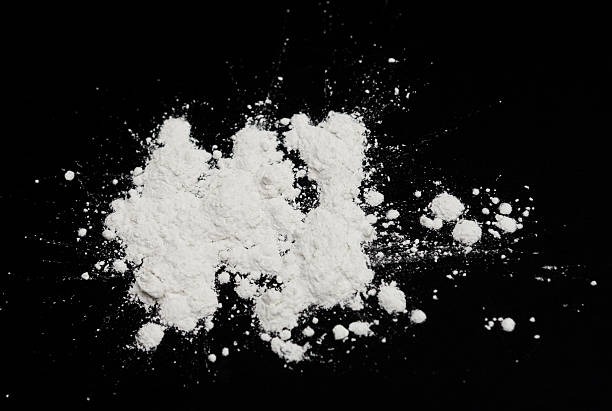
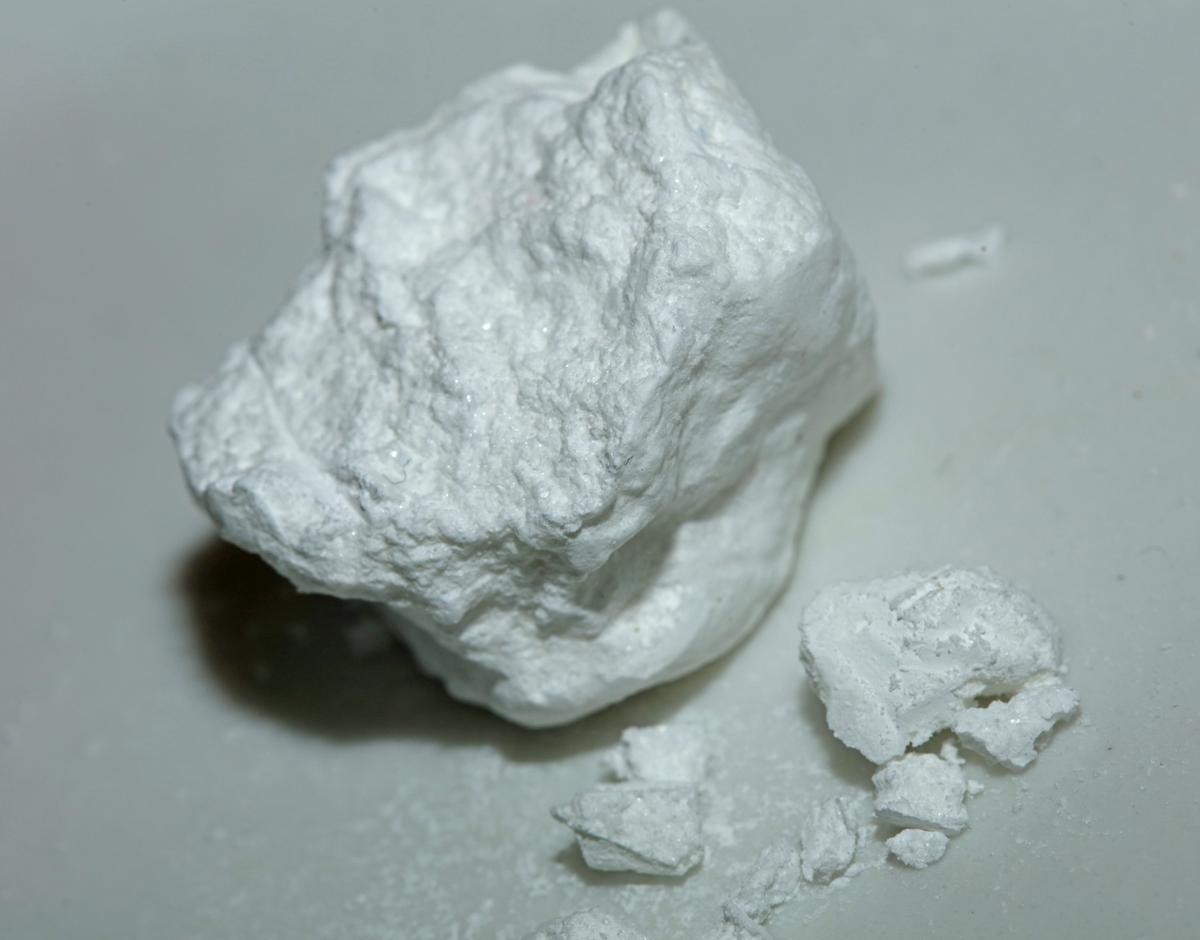
The drug is typically found as a white powder, though other forms also exist. Because cocaine is an illegal substance in Australia, its purity and composition can vary considerably. Illicit products may contain unknown additives or contaminants that increase the risk of adverse health effects.
How Cocaine Affects the Body
Cocaine acts quickly, producing short-lived but intense effects. While some people experience increased energy and confidence, these effects are often followed by unpleasant physical and psychological symptoms.
Common short-term effects include:
- Increased alertness
- Elevated heart rate
- Higher blood pressure
- Reduced appetite
- Dilated pupils
- Restlessness
- Feelings of euphoria
- Increased confidence and talkativeness
As the effects wear off, many individuals experience a “crash,” which may involve fatigue, irritability, anxiety, difficulty concentrating, and low mood.
Health Risks of Cocaine Use
Even occasional cocaine use carries risks. Because it places considerable strain on the cardiovascular and nervous systems, serious medical complications can occur unexpectedly.
Potential health risks include:
- Heart attack
- Stroke
- Irregular heartbeat
- High blood pressure
- Seizures
- Hyperthermia
- Anxiety and panic attacks
- Psychosis
- Accidental overdose
Using cocaine alongside alcohol or other drugs may further increase these risks by placing additional stress on the body or creating dangerous drug interactions.
Long-Term Effects
Repeated cocaine use can have lasting consequences for both physical and mental health.
Long-term effects may include:
- Dependence or addiction
- Depression and anxiety
- Sleep disturbances
- Weight loss
- Memory and concentration difficulties
- Persistent mood changes
- Increased risk of cardiovascular disease
Some people also experience social consequences, including relationship problems, financial difficulties, declining work or academic performance, and legal issues.
Cocaine Use in Australia
Australia has one of the highest reported rates of cocaine use in the Asia-Pacific region. The drug is more commonly reported in metropolitan areas, where nightlife and entertainment venues may contribute to greater availability.
While cocaine may be perceived by some as a recreational drug, health professionals continue to highlight the serious risks associated with its use. Hospital presentations related to stimulant drugs have increased over time, reinforcing the importance of education, prevention, and access to treatment services.
Recognizing the Signs of Dependence
Not everyone who uses cocaine develops dependence, but repeated use can increase the risk. Cocaine dependence is characterized by difficulty controlling use despite negative consequences.
Possible warning signs include:
- Strong cravings for cocaine
- Increasing frequency of use
- Needing larger amounts to achieve the same effect
- Spending significant time obtaining or using the drug
- Continuing use despite health, work, or relationship problems
- Withdrawal symptoms such as fatigue, low mood, or irritability when not using
Recognizing these signs early can make it easier to seek support before problems become more severe.
Legal Status in Australia
Cocaine is classified as an illegal drug throughout Australia. Laws vary slightly between states and territories, but possessing, trafficking, manufacturing, or supplying cocaine can result in significant legal penalties.
Depending on the circumstances, consequences may include:
- Criminal charges
- Substantial fines
- Imprisonment
- A criminal record that can affect employment and international travel
Because penalties differ by jurisdiction and the amount involved, individuals should refer to the relevant state or territory legislation for detailed legal information.
Harm Reduction
The safest way to avoid the risks associated with cocaine is not to use it. For people who do use cocaine, seeking accurate health information and accessing medical support promptly if problems arise can reduce the likelihood of serious harm.
Emergency medical attention should be sought immediately if someone experiences:
- Chest pain
- Difficulty breathing
- Seizures
- Loss of consciousness
- Severe agitation or confusion
- Signs of stroke, such as sudden weakness or difficulty speaking
Prompt medical care can be lifesaving in these situations.
Treatment and Recovery
Recovery from cocaine dependence is possible, and many people successfully reduce or stop their use with appropriate support.
Treatment options may include:
Counselling
Evidence-based therapies such as cognitive behavioural therapy (CBT) can help individuals understand triggers, develop coping strategies, and reduce the likelihood of relapse.
Support Groups
Peer support groups provide encouragement, shared experiences, and ongoing motivation during recovery.
Medical Care
Healthcare professionals can assess physical and mental health concerns, manage withdrawal symptoms where appropriate, and coordinate ongoing treatment.
Mental Health Support
Many people experiencing cocaine dependence also benefit from treatment for anxiety, depression, or other mental health conditions that may occur alongside substance use.
Recovery is often a gradual process, and setbacks do not mean treatment has failed. Continuing to seek support can significantly improve long-term outcomes.
Preventing Cocaine-Related Harm
Communities, families, schools, and healthcare providers all play important roles in reducing the harms associated with cocaine.
Helpful prevention strategies include:
- Providing accurate, evidence-based education
- Encouraging open conversations about substance use
- Supporting positive mental health
- Improving access to treatment services
- Reducing stigma so people feel comfortable seeking help
Education and early intervention can make a meaningful difference for individuals and communities alike.
Frequently Asked Questions
Is cocaine addictive?
Yes. Cocaine has a significant potential for psychological dependence, particularly with repeated use.
Can cocaine cause mental health problems?
Yes. Cocaine use may contribute to anxiety, panic attacks, depression, paranoia, and, in some cases, psychosis.
Is occasional cocaine use safe?
No level of illicit cocaine use can be considered risk-free. Because the purity and contents of illegal drugs are unknown, serious health complications can occur even with occasional use.
What should someone do if they think they have a cocaine problem?
Speaking with a healthcare professional or an alcohol and other drug service is an important first step. Early support often leads to better outcomes.
Conclusion
Understanding cocaine in Australia requires looking beyond common misconceptions and recognizing the real health, social, and legal risks associated with its use. While cocaine may produce temporary feelings of energy or euphoria, these effects are outweighed by the potential for dependence, serious medical complications, and legal consequences.
Education, prevention, and timely access to professional support remain essential in reducing harm. Individuals concerned about their own cocaine use—or that of a friend or family member—should seek advice from qualified healthcare professionals or local alcohol and other drug services. With the right support, recovery is achievable, and many people go on to lead healthier, more stable lives.