Blog
Cocaine Culture in Italy: From the Streets to the Elite

Cocaine use in Italy has evolved into a complex social issue that spans economic classes, geographic regions, and cultural environments. From urban nightlife scenes to high-profile professional circles, the presence of cocaine reflects broader societal dynamics rather than a single, isolated problem. Understanding cocaine culture in Italy requires a balanced exploration of its roots, its reach across different segments of society, and the legal and public health consequences associated with its use.

The Emergence of Cocaine in Italy
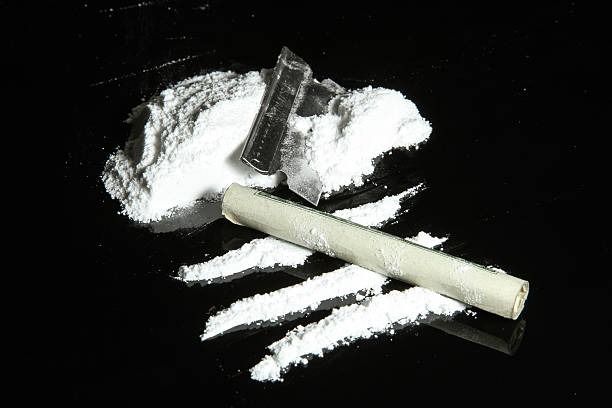
Cocaine Culture in Italy: From the Streets to the Elite. Italy’s relationship with cocaine began to intensify in the late 20th century, as global drug trafficking networks expanded across Europe. Initially associated with wealth and exclusivity, cocaine was often perceived as a “luxury drug,” used in elite social circles and among high-income professionals. Over time, however, increased availability and shifting market dynamics made cocaine more accessible to a wider population.
Today, cocaine is no longer confined to a specific class or region. Major cities such as Milan, Rome, and Naples have become focal points for distribution and consumption, though smaller towns are not immune. This widespread availability has contributed to a normalization of use in certain social settings, particularly in nightlife and entertainment industries.
Cocaine in Urban and Nightlife Culture
One of the most visible aspects of cocaine use in Italy is its connection to nightlife. Clubs, music festivals, and private parties often serve as environments where recreational drug use occurs. In these settings, cocaine is sometimes associated with energy, confidence, and social bonding—factors that contribute to its appeal among younger adults.
However, this perception often masks the risks involved. The normalization of cocaine in nightlife culture can lead to repeated use, dependency, and a lack of awareness about long-term health consequences. Additionally, the presence of cocaine in these environments can increase the likelihood of risky behaviors, including unsafe driving and poor decision-making.
From Streets to High Society
Cocaine’s reach extends beyond nightlife into professional and elite circles. In some cases, it is used as a performance-enhancing substance, particularly in high-pressure industries such as finance, fashion, and entertainment. The drug’s stimulant effects can create a temporary sense of focus and productivity, making it appealing to individuals seeking to maintain demanding work schedules.
This dual presence—both on the streets and in elite environments—highlights the unique position cocaine holds in Italian society. Unlike some other substances, it does not carry a single stereotype. Instead, it adapts to different contexts, making it more difficult to address through traditional prevention strategies.
The Role of Organized Crime
A significant factor in Italy’s cocaine landscape is the involvement of organized crime groups. Criminal organizations play a major role in the importation and distribution of cocaine, often using established networks that span across Europe and beyond. These groups benefit financially from the high demand, reinforcing a cycle that is difficult to break.
The presence of organized crime not only fuels the availability of cocaine but also contributes to broader societal issues, including violence, corruption, and economic instability. Efforts by law enforcement agencies have led to numerous seizures and arrests, but the scale of the problem remains substantial.
Legal Consequences in Italy
Italy has strict laws regarding the possession, distribution, and trafficking of cocaine. While small amounts for personal use may result in administrative penalties—such as fines, suspension of driving licenses, or mandatory rehabilitation programs—larger quantities and involvement in distribution can lead to severe criminal charges.
Penalties for trafficking can include lengthy prison sentences and significant fines. The legal framework aims to deter both supply and demand, but enforcement alone is not enough to address the underlying causes of drug use.
Public Health Implications
From a public health perspective, cocaine use presents a range of challenges. Short-term effects can include increased heart rate, heightened alertness, and euphoria, but these are often accompanied by anxiety, paranoia, and impaired judgment. Long-term use can lead to serious health issues, including cardiovascular problems, mental health disorders, and addiction.
Italy’s healthcare system has responded by expanding access to addiction treatment and support services. Programs focus on harm reduction, education, and rehabilitation, aiming to help individuals recover while preventing new cases of dependency.
Mental health support is particularly important, as cocaine use is often linked to underlying issues such as stress, depression, or social pressure. Addressing these root causes is essential for effective prevention and recovery.
Social Perception and Stigma
Public attitudes toward cocaine use in Italy are complex. While there is widespread awareness of its dangers, stigma can still prevent individuals from seeking help. In some social circles, occasional use may be downplayed or even accepted, further complicating efforts to reduce consumption.
At the same time, media coverage and public campaigns have played a role in raising awareness about the risks associated with cocaine. These efforts aim to shift perceptions and encourage more informed decision-making, particularly among younger generations.
Prevention and Education
Education is a key component in addressing cocaine culture in Italy. Schools, community organizations, and public health campaigns all play a role in providing accurate information about the risks of drug use. Prevention strategies often focus on building resilience, promoting healthy lifestyles, and encouraging open conversations about substance use.
Digital platforms and social media have also become important tools for outreach. By engaging with audiences in accessible and relatable ways, these initiatives can help counter misinformation and reduce the appeal of drugs like cocaine.
Looking Ahead
The future of cocaine culture in Italy will depend on a combination of policy, education, and community engagement. While law enforcement efforts are essential, they must be complemented by initiatives that address the social and economic factors contributing to drug use.
Collaboration between government agencies, healthcare providers, and local communities is crucial. By adopting a holistic approach, Italy can work toward reducing the impact of cocaine on individuals and society as a whole.
Conclusion
Cocaine culture in Italy is not a single narrative but a multifaceted issue that spans different social layers and environments. From nightlife scenes to elite circles, its presence reflects broader societal trends and challenges. Addressing this issue requires more than enforcement—it demands education, awareness, and a commitment to public health.
By understanding the complexities of cocaine use and its consequences, Italy can continue to develop strategies that promote safer, healthier communities.