Blog
Understanding the Cocaine Scene in Dublin Trends and Impacts

Understanding the Cocaine Scene in Dublin Trends and Impacts
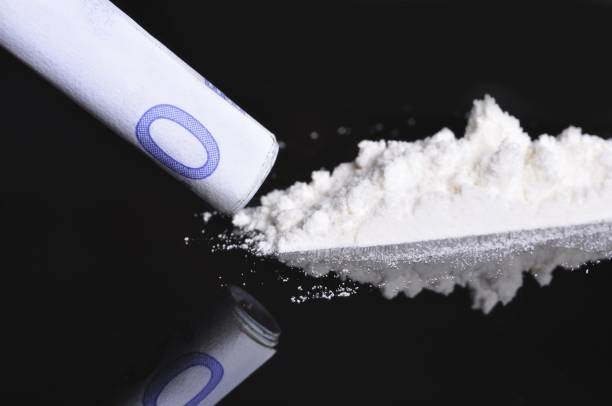
Understanding the Cocaine Scene in Dublin Trends and Impacts. Cocaine use has become an increasingly visible issue in Dublin, reflecting broader patterns seen across Europe. As Ireland’s capital and largest city, Dublin faces unique social, economic, and public health challenges connected to drug use. Understanding the cocaine scene in Dublin requires a balanced look at trends, contributing factors, health consequences, law enforcement efforts, and community responses.
This article explores the current landscape, the risks involved, and the wider impacts on individuals and society.
Cocaine Trends in Dublin
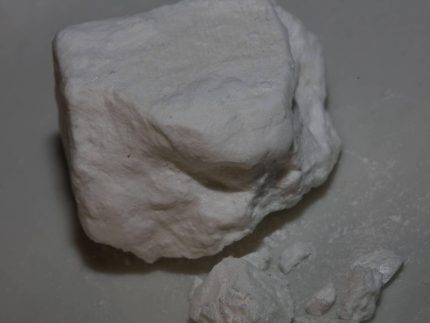
Over the past decade, Ireland has seen a rise in cocaine availability and consumption. Reports from the Health Service Executive (HSE) and other public health agencies indicate increased treatment admissions related to cocaine use. Unlike the heroin epidemic of the 1980s and 1990s, cocaine is often perceived as a “recreational” or “party” drug, particularly in nightlife settings.
Dublin’s vibrant social scene — from Temple Bar pubs to music festivals and private gatherings — has contributed to demand. Cocaine is commonly associated with:
-
Nightlife and club culture
-
High-pressure professional environments
-
Polysubstance use (combined with alcohol)
However, it’s not limited to one demographic. Usage has been reported across socioeconomic groups, from students and young professionals to older adults.
Supply and Distribution Patterns
Ireland’s geographic position makes it a transit point for drugs entering Europe. According to An Garda Síochána, cocaine seizures have increased significantly in recent years, suggesting both higher import volumes and improved enforcement.
Organized crime networks play a major role in distribution. Large-scale shipments often arrive via maritime routes, with smaller networks distributing the drug throughout Dublin and other cities. Law enforcement agencies have responded with targeted operations, but supply chains continue to evolve.
Health Risks and Consequences
Cocaine is a powerful stimulant that affects the central nervous system. Short-term effects can include:
-
Increased heart rate and blood pressure
-
Heightened alertness and euphoria
-
Reduced appetite
-
Anxiety or paranoia
Long-term or heavy use can lead to serious health consequences such as cardiovascular complications, mental health disorders, addiction, and increased risk of overdose — especially when mixed with alcohol or other substances.
The HSE has reported a rise in emergency department presentations linked to stimulant use. Chronic cocaine use can also contribute to depression, financial instability, and relationship breakdowns, further impacting community wellbeing.
Social and Economic Impacts
The cocaine scene in Dublin has implications beyond individual users. Its ripple effects touch families, neighborhoods, and public services.
1. Community Safety
Drug-related violence linked to organized crime has raised concerns in certain areas. Feuds between criminal groups can escalate, placing communities at risk. Although most users are not involved in violent crime, the broader supply network can fuel instability.
2. Healthcare Costs
Increased cocaine use places strain on public health resources. Emergency care, addiction treatment programs, and mental health services must adapt to meet growing demand. Investment in prevention and harm reduction is often more cost-effective than crisis response.
3. Workplace Productivity
Substance misuse can affect productivity, absenteeism, and workplace safety. Employers in Dublin have increasingly adopted employee assistance programs and wellness initiatives to address substance-related issues discreetly and constructively.
Law Enforcement and Policy Responses
Ireland’s drug policy combines criminal justice measures with public health strategies. An Garda Síochána continues to target supply networks, while policymakers explore reforms focused on treatment and harm reduction.
Discussions around decriminalization, diversion programs, and expanded addiction services have become more prominent in recent years. The goal is to reduce stigma and encourage people struggling with substance misuse to seek help without fear.
International cooperation is also key. Irish authorities collaborate with European partners to intercept trafficking routes and share intelligence.
Prevention and Harm Reduction Efforts
Community organizations and health agencies in Dublin emphasize prevention and early intervention. Key initiatives include:
-
Public awareness campaigns about drug risks
-
School-based education programs
-
Support services for at-risk youth
-
Access to addiction counseling and rehabilitation
Harm reduction strategies aim to reduce immediate risks associated with drug use. These approaches focus on safety, education, and non-judgmental support.
The Health Service Executive provides confidential support services and treatment referrals. Encouraging open dialogue helps reduce stigma, making it easier for individuals to seek assistance.
The Role of Nightlife Culture
Dublin’s nightlife economy is an important part of the city’s identity and tourism appeal. However, environments centered around alcohol consumption can increase the likelihood of stimulant use. Public health experts highlight the importance of responsible venue management, staff training, and awareness campaigns within the hospitality industry.
Balancing economic vitality with public safety is a challenge that requires cooperation between venue owners, local authorities, and health services.
Media and Public Perception
Media coverage often focuses on dramatic drug seizures or gang-related incidents. While these stories are important, they can overshadow the human aspect of addiction. Many individuals struggling with cocaine use are dealing with stress, trauma, or mental health challenges.
Shifting the conversation toward empathy, education, and prevention can lead to more effective long-term solutions.
Looking Ahead: Building a Healthier Dublin
Addressing the cocaine scene in Dublin requires a multi-layered approach. Enforcement alone cannot solve the issue; prevention, treatment, and community engagement are equally critical.
Key priorities for the future include:
-
Expanding access to addiction treatment services
-
Increasing funding for mental health support
-
Strengthening cross-border cooperation against trafficking
-
Promoting public awareness about the real risks of cocaine
Ultimately, the goal is not just reducing supply but minimizing harm and supporting recovery. By combining evidence-based policy with community involvement, Dublin can work toward safer neighborhoods and improved public health outcomes.
Final Thoughts
The cocaine scene in Dublin reflects broader global trends but has distinct local dimensions shaped by culture, economics, and geography. Understanding the issue through a balanced lens — one that considers health, safety, and social impact — is essential for meaningful progress.
Public dialogue, informed policy, and accessible support services will play a crucial role in shaping Dublin’s response in the years ahead.