Blog
The Rise of Pink Cocaine: Implications for Health and Society


The Rise of Pink Cocaine: Implications for Health and Society
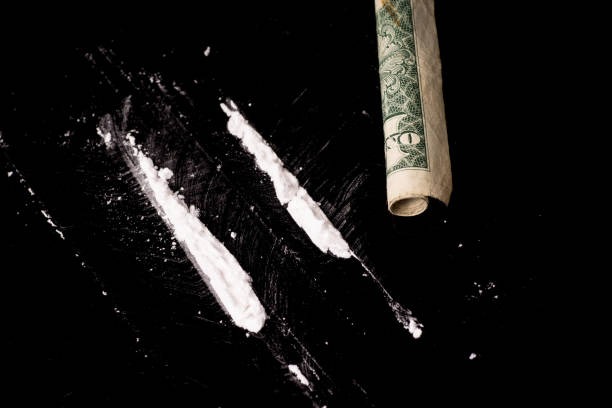
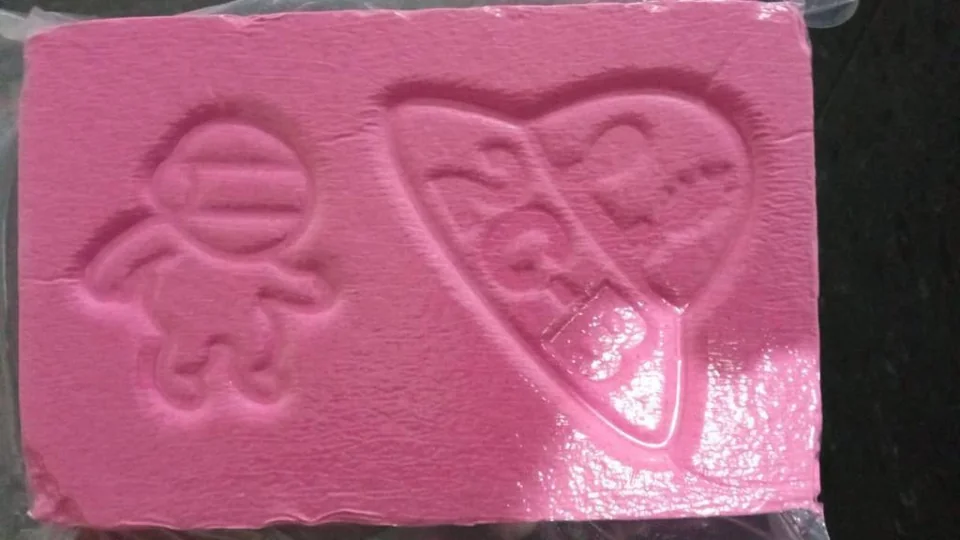
The Rise of Pink Cocaine: Implications for Health and Society. In recent years, a brightly colored powder often referred to as “pink cocaine” has gained attention across nightlife scenes and online discussions. Despite its name, pink cocaine is typically not traditional cocaine. Instead, it is a synthetic drug mixture—often containing substances like MDMA, ketamine, caffeine, or other psychoactive compounds—marketed under flashy branding to attract curiosity and trend-driven demand.
The rise of pink cocaine highlights shifting patterns in global drug markets and raises important concerns about public health, safety, and social impact.
What Is Pink Cocaine?
Pink cocaine, sometimes called “tusi” or “tucibi,” is commonly associated with the synthetic psychedelic drug 2C-B. However, many seized samples contain little to no actual 2C-B. Instead, forensic reports have found unpredictable mixtures of stimulants, depressants, and hallucinogens.
The variability of ingredients makes pink cocaine especially dangerous. Unlike regulated pharmaceuticals, there is no quality control, no standardized dosage, and no accurate labeling. Users often do not know what they are consuming, which increases the risk of overdose and adverse reactions.
Why Is Pink Cocaine Becoming Popular?
Several factors have contributed to its rising visibility:
1. Social Media Influence
Bright color and branding make pink cocaine visually distinctive. In digital culture, appearance matters. Images of neon powders in nightlife environments circulate quickly, creating curiosity and a perception of exclusivity.
2. Perception of Being “Trendy”
New substances are often marketed as premium or elite party drugs. This branding appeals to younger demographics seeking novel experiences.
3. Polydrug Culture
In many urban nightlife settings, mixing substances has become more common. Pink cocaine’s blended composition fits into this broader pattern of experimental recreational use.
Health Risks and Medical Concerns
The most serious concern surrounding pink cocaine is unpredictability. Because it often contains multiple psychoactive substances, its effects can be highly variable.
Acute Health Risks
-
Rapid heart rate and elevated blood pressure
-
Anxiety, paranoia, or panic attacks
-
Hallucinations and confusion
-
Overheating and dehydration
-
Risk of seizures
If opioids or strong depressants are mixed into the product, respiratory depression and fatal overdose become possible.
Long-Term Health Effects
Repeated exposure to synthetic stimulants and dissociatives may contribute to:
-
Cognitive impairment
-
Mood disorders
-
Sleep disturbances
-
Dependency and addiction
Mental health professionals emphasize that polydrug exposure increases strain on the brain’s reward system, potentially accelerating addictive behaviors.
The Role of Synthetic Drug Markets
Pink cocaine reflects a broader trend in global drug production: the rise of synthetic and designer substances. Unlike plant-based drugs, synthetic compounds can be manufactured in smaller laboratories and altered chemically to bypass legal restrictions.
Authorities in countries such as Colombia and Spain have reported seizures linked to nightlife networks. Distribution channels increasingly involve encrypted messaging platforms and discreet delivery systems.
This adaptability makes enforcement challenging. As soon as one chemical compound is banned, minor modifications can create a technically new substance, complicating regulatory efforts.
Social and Economic Implications
The rise of pink cocaine is not just a health issue—it is also a social phenomenon.
Impact on Young Adults
College students and urban professionals may be particularly vulnerable due to social pressure and nightlife culture. The desire for novelty can override caution, especially when substances are marketed as glamorous or elite.
Strain on Healthcare Systems
Emergency rooms in major cities have reported cases of severe intoxication linked to unknown synthetic mixtures. Treating these cases is difficult because physicians often do not know the exact substances involved.
Toxicology screenings may not immediately detect novel compounds, delaying targeted treatment. This unpredictability increases both healthcare costs and clinical risk.
Criminal Networks
Synthetic drug production can provide new revenue streams for organized crime groups. As supply chains evolve, enforcement agencies must continuously adapt investigative strategies.
Public Health Response and Harm Reduction
Addressing the rise of pink cocaine requires a multi-layered approach.
Education and Awareness
Public health campaigns should emphasize:
-
The unpredictable composition of synthetic drug mixtures
-
The risks of polydrug exposure
-
Warning signs of overdose
Clear, evidence-based messaging is more effective than sensationalism.
Drug Checking Services
In some countries, harm-reduction initiatives offer anonymous substance testing services. While controversial, such programs can reduce accidental overdoses by identifying dangerous contaminants.
Early Intervention
Mental health support and substance use counseling play critical roles in prevention. Recognizing early signs of risky behavior can help individuals seek assistance before patterns escalate into dependency.
Legal and Regulatory Challenges
Because pink cocaine often contains varying chemical components, classification under drug control laws can be complex. Legislators face the challenge of balancing enforcement with public health strategies.
Some experts argue that overly punitive measures may push synthetic drug markets further underground. Others believe stronger international coordination is needed to control precursor chemicals used in production.
The global nature of synthetic drug supply chains requires cross-border cooperation between law enforcement, public health agencies, and policymakers.
Looking Ahead
The rise of pink cocaine signals an evolving drug landscape shaped by globalization, digital communication, and shifting consumer preferences. The substance’s colorful branding may mask serious health risks and long-term societal consequences.
Addressing the issue effectively requires:
-
Ongoing research into emerging synthetic compounds
-
Transparent public education
-
Improved toxicology capabilities
-
Accessible addiction treatment services
Communities, healthcare providers, and policymakers must work together to reduce harm and promote informed decision-making.
Conclusion
Pink cocaine is more than a passing nightlife trend. It represents a broader transformation in the drug market toward synthetic, unpredictable mixtures that pose significant health and societal risks.
Understanding its composition, risks, and social drivers is essential for developing effective public health responses. Through awareness, prevention strategies, and evidence-based policy, societies can better address the challenges posed by emerging synthetic drugs and protect vulnerable populations.