Blog
How Cocaine Is Impacting Swansea’s Youth and Communities


How Cocaine Is Impacting Swansea’s Youth and Communities
How Cocaine Is Impacting Swansea’s Youth and Communities. Cocaine use has become one of the most pressing public health and social issues affecting communities across the UK—and Swansea is no exception. Once perceived as a “party drug” associated with nightlife and affluence, cocaine has increasingly permeated everyday life, reaching younger users and more vulnerable populations. Its impact is now visible not only in health statistics but also in crime rates, social cohesion, and the wellbeing of entire communities.
This blog explores how cocaine is shaping the lives of young people in Swansea, the wider consequences for local communities, and what can be done to address this growing concern.
The Rising Trend of Cocaine Use Among Young People
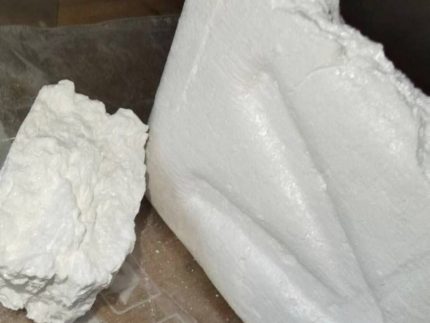
Across England and Wales, drug use remains relatively common among young adults. Around 15.1% of people aged 16 to 24 reported using drugs in the past year, with cocaine being one of the most prevalent substances.
Although cocaine use among young people has slightly declined compared to earlier decades, it still represents a significant issue. Around 2.3% of individuals aged 16–24 reported using powder cocaine in recent surveys.
More concerning is the normalization of cocaine in social settings. Increased production globally has led to higher purity and greater availability, making it easier than ever for young people to access the drug.
In Swansea, anecdotal evidence and policing data suggest that cocaine is readily available, particularly through “county lines” operations—organized drug networks that exploit young people to transport and sell drugs.
County Lines and Youth Exploitation
One of the most alarming aspects of cocaine distribution in Swansea is the involvement of young people in drug supply chains. County lines operations often target vulnerable teenagers, coercing or manipulating them into carrying drugs, money, or weapons.
A recent police operation in Swansea revealed a 16-year-old found carrying crack cocaine, cash, and multiple phones—clear indicators of exploitation.
These cases highlight a disturbing reality: many young people involved in drug distribution are not hardened criminals but victims of grooming and coercion. They are often drawn in by promises of money, status, or belonging, only to become trapped in dangerous networks.
This exploitation has long-term consequences, including criminal records, trauma, and increased risk of substance abuse.
The Link Between Cocaine and Mental Health
Cocaine use is closely linked with mental health issues, particularly among young people. Research from Swansea University shows that individuals with both substance misuse and mental health conditions face significantly higher risks of mortality, especially in deprived areas.
Cocaine itself can exacerbate or trigger mental health problems, including:
- Anxiety and paranoia
- Depression after use (“comedown”)
- Psychosis in severe cases
- Increased risk of addiction
Studies indicate that over 50% of cocaine users may experience cocaine-induced psychosis at some point.
For young people already dealing with stress, unemployment, or social pressures, cocaine can quickly become both a coping mechanism and a source of further harm.
Crime and Community Impact
The presence of cocaine in Swansea has significant implications for community safety and cohesion. Drug trafficking is often linked to organized crime, violence, and anti-social behavior.
Recent cases in Swansea show individuals being jailed for supplying crack cocaine and running drug lines, demonstrating the ongoing efforts of law enforcement to tackle the issue.
However, policing alone cannot solve the problem. Cocaine markets thrive on demand, and as long as there is a steady flow of users, supply networks will continue to operate.
Local communities often bear the brunt of these activities, experiencing:
- Increased crime and violence
- Public drug use and associated disorder
- Fear and reduced sense of safety
- Strain on local services
Voices from the Community
Community discussions and online forums reflect growing frustration and concern about drug-related issues in Swansea. Residents frequently report anti-social behavior, intimidation, and a visible presence of substance misuse in public spaces.
“There’s been months of anti-social behaviour… people have had enough.”
Others highlight how widespread drug use has become:
“Every pub/club… always has people very obviously high.”
While such accounts are anecdotal, they provide valuable insight into how cocaine use is perceived at the grassroots level. The sense that drug use is “normal” or unavoidable can make it harder to challenge.
Economic and Social Costs
The impact of cocaine extends far beyond individual users. Across the UK, drug misuse costs society over £20 billion annually, factoring in healthcare, policing, lost productivity, and social services.
In Swansea, these costs are felt in multiple ways:
- Increased demand on NHS and mental health services
- Pressure on law enforcement and judicial systems
- Reduced productivity and employment opportunities
- Long-term social inequality
Deprived communities are particularly vulnerable, as economic hardship can both contribute to and result from substance misuse.
Why Young People Are at Risk
Several factors make young people in Swansea particularly susceptible to cocaine use:
1. Accessibility
Cocaine is more available and affordable than ever due to global supply increases.
2. Social Influence
Peer pressure and nightlife culture often normalize drug use.
3. Mental Health Struggles
Young people facing anxiety, depression, or trauma may turn to drugs as a coping mechanism.
4. Economic Inequality
Limited opportunities can push individuals toward risky behaviors or exploitation.
5. Lack of Awareness
Many underestimate the risks of cocaine, viewing it as less dangerous than other drugs.
The Path Forward: Solutions and Prevention
Addressing cocaine use in Swansea requires a multi-faceted approach that goes beyond enforcement.
1. Education and Awareness
Schools and community programs must provide honest, evidence-based information about drug risks.
2. Early Intervention
Identifying at-risk youth and offering support before problems escalate is crucial.
3. Mental Health Support
Accessible mental health services can reduce reliance on substances as coping mechanisms.
4. Community Engagement
Local initiatives that foster connection and opportunity can help prevent isolation and vulnerability.
5. Targeting Supply Networks
Continued efforts to disrupt county lines operations are essential to reduce availability.
Conclusion
Cocaine is not just an individual issue—it is a community-wide challenge that affects health, safety, and social wellbeing. In Swansea, its impact is particularly evident among young people, who are both users and, increasingly, victims of exploitation.
While the problem is complex, it is not insurmountable. By combining education, support, and enforcement with a focus on underlying social issues, Swansea can begin to address the root causes of cocaine use and build a healthier, safer future for its youth.