Blog
Crack Cocaine: Myths Facts and the Journey to Recovery

Crack Cocaine: Myths Facts and the Journey to Recovery
Crack cocaine remains one of the most misunderstood and stigmatized substances in modern society. Often portrayed dramatically in movies and media, the reality of crack cocaine use, addiction, and recovery is far more complex. Understanding the truth behind the myths is essential—not only for individuals struggling with substance use but also for families, communities, and policymakers working toward effective prevention and recovery solutions.
In this article, we explore what crack cocaine is, common myths and facts, its impact on health and society, and the hopeful journey toward recovery.
What Is Crack Cocaine?
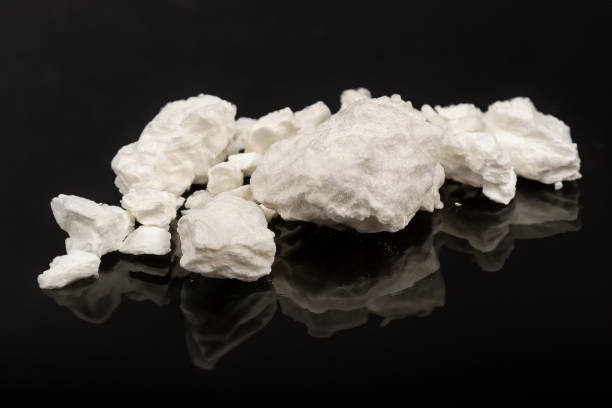
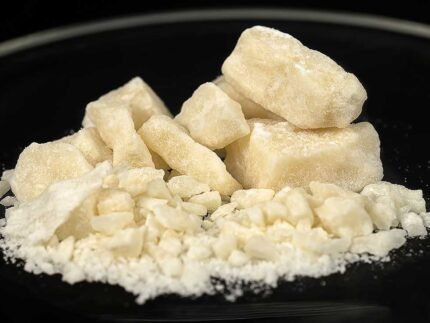
Crack Cocaine: Myths Facts and the Journey to Recovery. Crack cocaine is a freebase form of cocaine that can be smoked. It is derived from powdered cocaine and processed into rock crystals. When heated, it produces vapors that are inhaled into the lungs, creating an intense but short-lived euphoric effect.
Because the high is rapid and powerful—often lasting only 5 to 10 minutes—users may feel compelled to repeat doses frequently. This cycle significantly increases the risk of addiction.
Crack cocaine is chemically similar to powdered cocaine, but the method of use and speed of onset make its effects more immediate and, often, more addictive.
Common Myths About Crack Cocaine
- Myth 1: Crack Cocaine Is “More Addictive” Than Powdered Cocaine
- Fact: Both forms contain the same active drug—cocaine. However, smoking crack produces a faster, more intense high compared to snorting powder. The rapid onset increases the likelihood of compulsive use. The addiction risk is linked to how quickly the drug reaches the brain, not necessarily its chemical composition.
- Myth 2: Addiction Happens After One Use
- Fact: While crack cocaine is highly addictive, addiction does not occur instantly for everyone. Substance use disorders develop due to a combination of biological, psychological, and environmental factors. However, because crack acts quickly and intensely, the risk of developing dependency after repeated use is high.
- Myth 3: Recovery Is Nearly Impossible
- Fact: Recovery is absolutely possible. Many individuals have successfully overcome crack cocaine addiction through comprehensive treatment programs, therapy, community support, and long-term recovery planning. Treatment success improves when individuals receive evidence-based care and ongoing support.
- Myth 4: Only Certain Groups Are Affected
- Fact: Crack cocaine addiction affects individuals across all demographics—regardless of age, income level, race, or background. Substance use disorder is a health condition, not a moral failing.
The Health Effects of Crack Cocaine
Crack cocaine affects both the brain and body. Immediate short-term effects may include:
-
Intense euphoria
-
Increased energy
-
Rapid heart rate
-
Elevated blood pressure
-
Decreased appetite
However, repeated use can lead to serious long-term consequences such as:
-
Cardiovascular damage
-
Respiratory issues
-
Anxiety and paranoia
-
Depression
-
Cognitive impairment
Psychological effects can be particularly severe. Some individuals may experience intense cravings, mood swings, or psychotic symptoms such as hallucinations or delusions during heavy use or withdrawal.
Social and Community Impact
The impact of crack cocaine extends beyond individual health. Families may experience emotional stress, financial strain, and relationship breakdowns. Communities can be affected by increased healthcare costs, reduced workforce productivity, and strain on social services.
However, it is important to shift the conversation from punishment to public health. Modern approaches emphasize prevention, education, and treatment rather than stigma and criminalization.
Understanding Addiction as a Medical Condition
Addiction is recognized as a chronic brain disorder. Substances like cocaine alter the brain’s reward system, particularly dopamine pathways responsible for pleasure and motivation.
Over time, the brain becomes less responsive to natural rewards and more reliant on the drug to feel normal. This neurological change explains why quitting without support can be extremely challenging.
Viewing addiction through a medical lens reduces stigma and encourages compassionate, evidence-based treatment approaches.
The Journey to Recovery
Recovery from crack cocaine addiction is a process—not a single event. It often involves multiple stages:
1. Acknowledgment and Motivation
The first step is recognizing the problem and developing a desire for change. This may be prompted by personal consequences, family intervention, or health concerns.
2. Detoxification
Medical detox helps manage withdrawal symptoms in a safe environment. While cocaine withdrawal is generally not life-threatening, it can involve intense cravings, fatigue, depression, and irritability.
3. Behavioral Therapy
Therapies such as Cognitive Behavioral Therapy (CBT) help individuals identify triggers, reshape thought patterns, and develop healthier coping mechanisms. Contingency management and motivational interviewing are also effective approaches.
4. Support Systems
Support groups, family therapy, and peer recovery programs play a vital role. Community connection reduces isolation and strengthens long-term recovery outcomes.
5. Long-Term Aftercare
Ongoing counseling, relapse prevention strategies, and lifestyle changes help maintain sobriety. Recovery is a lifelong commitment, but with proper support, individuals can rebuild fulfilling, productive lives.
Warning Signs of Crack Cocaine Addiction
Recognizing the signs early can save lives. Warning signs may include:
-
Sudden behavioral changes
-
Financial problems without explanation
-
Social withdrawal
-
Neglect of responsibilities
-
Physical symptoms like burns on lips or fingers
If you suspect someone is struggling, approach them with empathy and encourage professional support.
Prevention Through Education
Education is one of the strongest tools in preventing substance misuse. Honest conversations about risks, mental health, and coping strategies can reduce experimentation and dependency.
Communities that invest in prevention programs, youth engagement, and mental health services see better long-term outcomes.
Breaking the Stigma
Stigma remains one of the biggest barriers to recovery. Individuals struggling with crack cocaine addiction often face shame and discrimination, which can discourage them from seeking help.
Language matters. Using person-first language such as “person with a substance use disorder” instead of labels promotes dignity and understanding.
Compassion, not condemnation, supports healing.
Hope Beyond Addiction
Thousands of people have successfully overcome crack cocaine addiction. With professional treatment, community support, and personal commitment, recovery is not just possible—it is sustainable.
Many individuals in recovery go on to rebuild careers, repair relationships, and become advocates helping others navigate similar struggles.
If you or someone you love is facing challenges with crack cocaine, seeking help is a sign of strength—not weakness.
Final Thoughts
Crack cocaine is a powerful and dangerous substance, but the narrative surrounding it often focuses more on fear than facts. By understanding the myths, acknowledging the realities, and promoting evidence-based recovery pathways, we can shift the conversation toward healing.
Addiction is not a moral failure—it is a health condition that requires treatment, compassion, and long-term support. With the right resources and determination, recovery is achievable, and hope is real.
If you are creating educational content for your website, ensure it emphasizes awareness, prevention, and access to professional care. Providing accurate, supportive information can make a meaningful difference in someone’s journey toward recovery.