Blog
Cocaine Glasgow: Alarming Trends You Can’t Ignore in 2026

Cocaine Glasgow: Alarming Trends You Can’t Ignore in 2026
Cocaine Glasgow: Alarming Trends You Can’t Ignore in 2026. Glasgow has long been a city of resilience, culture, and transformation—but in 2026, a growing crisis is casting a shadow over its streets. Cocaine use, once considered a “party drug” confined to nightlife scenes, has evolved into a widespread public health and social issue. From rising hospital admissions to links with organized crime, the situation is becoming impossible to ignore.
This blog explores the latest trends shaping cocaine use in Glasgow, why the problem is escalating, and what it means for communities, authorities, and individuals.
A Surge in Cocaine Use Across Scotland
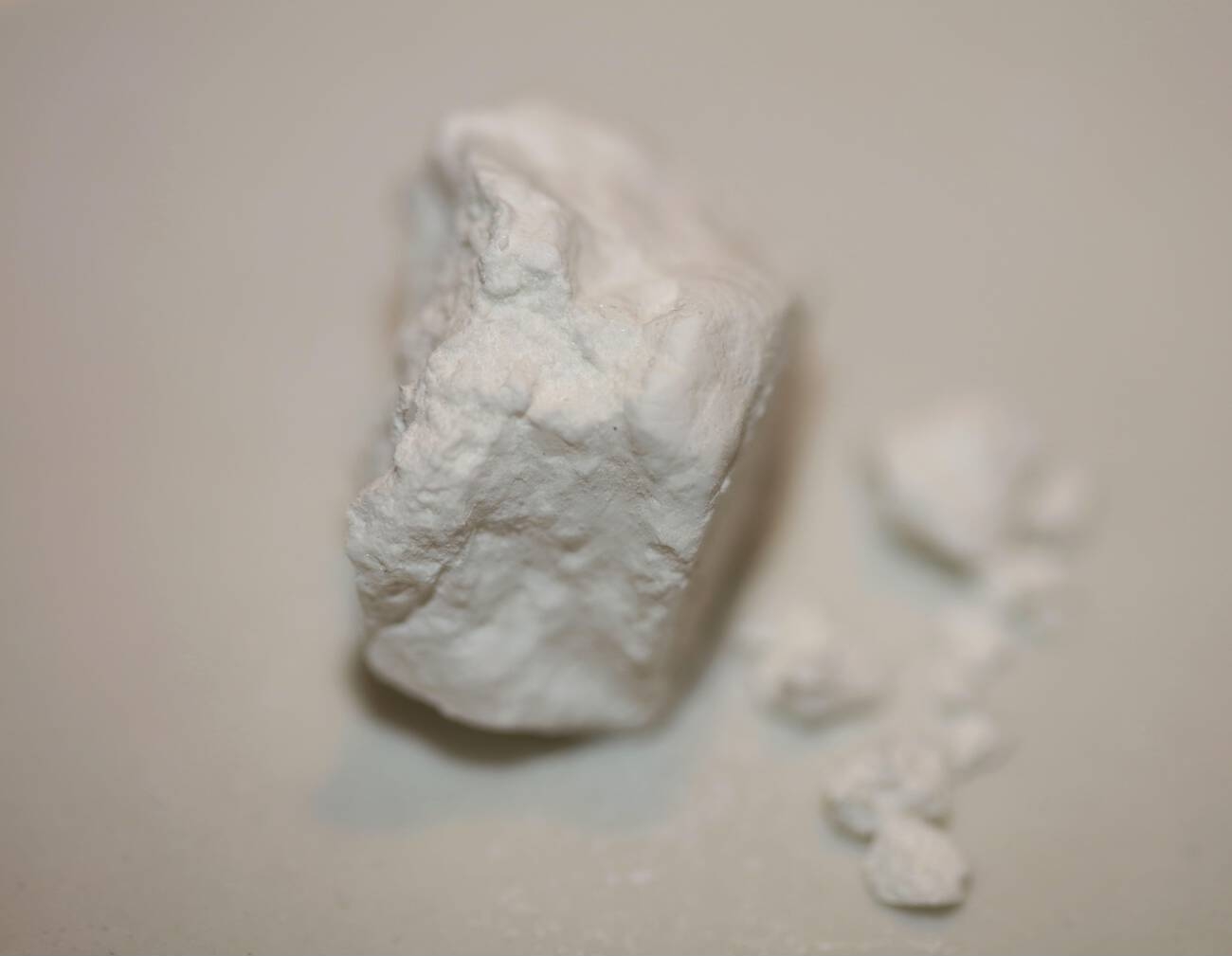
Recent reports from public health authorities show that cocaine is now one of the most commonly reported substances in Scotland. In fact, powder cocaine accounts for around 31% of drug-related reports on average, making it the leading drug in many monitoring systems.
Glasgow, as Scotland’s largest city, sits at the center of this trend. Data indicates that crack cocaine is widely available and frequently used in urban areas like Glasgow and Edinburgh, signaling a shift toward more addictive and harmful forms of the drug.
This isn’t just about recreational use anymore—it reflects a deeper and more dangerous pattern of dependency.
Cocaine’s Role in Drug-Related Deaths
Perhaps the most alarming statistic is cocaine’s increasing link to fatalities. Over the past decade, cocaine has moved from a minor contributor to a major factor in drug-related deaths.
- In 2008, cocaine was involved in just 6% of drug deaths
- By 2023, that figure rose to 41%
- In 2024, it climbed even higher to 47%
These numbers reveal a dramatic shift. Cocaine is no longer a “safer alternative” to other drugs—it is now a central player in Scotland’s drug crisis.
Despite a slight drop in overall drug deaths to 1,017 in 2024, Scotland still has one of the highest drug mortality rates in Europe.
The Rise of Polydrug Use
One of the most dangerous developments in Glasgow is the rise of polydrug use—the mixing of cocaine with other substances.
Many users combine cocaine with:
- Benzodiazepines (such as street “Valium”)
- Heroin
- Synthetic opioids
In fact, 93% of drug-related deaths involve more than one substance, dramatically increasing overdose risk.
A particularly dangerous combination known as a “snowball” (cocaine + heroin) is becoming more common in Glasgow. This mix puts extreme stress on the body, often leading to fatal outcomes.
Synthetic Contamination: A Hidden Killer
Another worrying trend is the contamination of cocaine with synthetic drugs like fentanyl and nitazenes.
These substances are:
- Far more potent than heroin
- Often undetectable to users
- Linked to sudden overdoses
Experts warn that even tiny amounts can be lethal, making today’s cocaine supply far more unpredictable than ever before.
This means that even occasional users face serious risks—something that wasn’t as prevalent a decade ago.
Changing Patterns of Use in Glasgow
Local service data shows that cocaine dominates drug use patterns in Glasgow. In some months, over 80% of reported drug use involved cocaine, far surpassing heroin.
This highlights a major cultural shift:
- Cocaine is no longer limited to nightlife
- It is increasingly used in everyday settings
- Dependency is spreading across different age groups
At the same time, there has been a shift from injecting drugs to smoking or inhaling substances like crack cocaine. While this may reduce some risks, it still carries serious health consequences.
Organized Crime and Supply Chains
Behind the rise in cocaine use is a sophisticated and expanding criminal network. Law enforcement agencies report that drug supply crimes in Scotland have risen significantly, driven largely by organized gangs.
Modern trafficking methods are becoming increasingly advanced. Criminal groups are now:
- Concealing cocaine in everyday goods (like food shipments)
- Using encrypted communication networks
- Expanding distribution into local communities
These developments make cocaine more accessible—and harder to control—than ever before.
Public Health Response: Harm Reduction vs. Controversy
In response to the crisis, Glasgow has introduced harm reduction strategies, including supervised drug consumption facilities.
These centers aim to:
- Reduce overdose deaths
- Provide medical supervision
- Connect users with support services
However, they remain controversial. Critics argue they may normalize drug use, while supporters believe they are essential for saving lives.
Reports suggest that a large proportion of drug use in such facilities involves cocaine, highlighting just how central the drug has become to the crisis.
Why This Matters in 2026
The trends emerging in Glasgow are not isolated—they reflect broader changes in drug use across the UK and beyond.
Key concerns include:
1. Increased Accessibility
Cocaine is easier to obtain than ever before, often at lower prices and higher purity levels.
2. Greater Health Risks
Contamination and polydrug use have made cocaine far more dangerous.
3. Social Impact
Communities are facing rising crime, health issues, and economic strain.
4. Changing Demographics
Use is spreading beyond traditional groups, affecting professionals, young adults, and vulnerable populations alike.
What Needs to Happen Next?
Addressing the cocaine crisis in Glasgow requires a multi-layered approach:
- Stronger law enforcement to disrupt supply chains
- Improved treatment services for addiction recovery
- Public awareness campaigns to educate users about risks
- Harm reduction initiatives to prevent deaths
No single solution will fix the problem—but ignoring it is no longer an option.
Final Thoughts
Cocaine use in Glasgow has reached a critical point in 2026. What was once seen as a recreational substance has evolved into a major public health threat, deeply intertwined with crime, mental health, and social inequality.
The data is clear: rising usage, increasing deaths, and more dangerous drug compositions are creating a perfect storm.
The question is no longer whether this is a crisis—it’s how quickly and effectively it can be addressed.