Blog
Port Macquarie’s Hidden Drug Scene: Facts About Cocaine Use

Port Macquarie’s Hidden Drug Scene: Facts About Cocaine Use
Port Macquarie is often celebrated for its stunning coastline, relaxed lifestyle, and growing tourism appeal. But beneath its laid-back image lies a lesser-discussed issue—an emerging and often hidden drug culture that includes cocaine use. While the town may not carry the same reputation as major cities, recent reports and national data reveal that regional areas like Port Macquarie are not immune to the broader trends shaping Australia’s drug landscape.

A National Problem Reaching Regional Shores
Port Macquarie’s Hidden Drug Scene: Facts About Cocaine Use. To understand what’s happening in Port Macquarie, it’s important to look at the bigger picture. Australia has one of the highest rates of cocaine consumption in the world. According to the Australian Institute of Health and Welfare, around 4.5% of Australians (about 1 million people) reported using cocaine in 2022–2023.
Even more striking, lifetime use has climbed to 13.5% of the population, showing a steady increase over the past two decades.
This rise is not limited to big cities like Sydney or Melbourne. Regional communities—including Port Macquarie—are increasingly part of the same supply chains and consumption patterns.
Evidence of Cocaine Activity Near Port Macquarie
Recent law enforcement operations and news reports highlight just how close the issue is to home. In 2025, authorities intercepted a vessel off the NSW coast near Port Macquarie carrying over one tonne of cocaine, with an estimated street value exceeding $600 million.
In another case, a suspicious cash purchase of a boat led police to uncover a major cocaine trafficking operation moving along the same coastal routes.
These incidents show that Port Macquarie is not just a passive location—it sits along key transit paths used by organized crime groups importing drugs into Australia.
The “Hidden” Nature of Cocaine Use
Unlike some other drugs, cocaine use often remains hidden, especially in smaller communities. It is commonly associated with:
- Social settings such as parties or nightlife
- Higher-income or working professionals
- Occasional or “recreational” use
This makes it less visible than drugs like methamphetamine, which tend to have more obvious physical and social consequences.
However, this perception can be misleading. Cocaine use still carries significant risks, including addiction, financial strain, and mental health issues.
Who Is Using Cocaine?
Data shows that cocaine use is most common among younger adults. People aged 20–29 are the most likely to use the drug, with higher rates than any other age group.
The average age of first use is around 24 years, indicating that experimentation often begins in early adulthood.
In regional towns like Port Macquarie, this demographic includes:
- Hospitality workers
- Tourism-related employees
- Young professionals
- University students or recent graduates
These groups are often socially active and may be more exposed to recreational drug use.
Frequency and Patterns of Use
Cocaine is not always used daily. In fact, many users take it occasionally. However, the data reveals concerning patterns:
- Around 15% of users consume cocaine monthly or more often
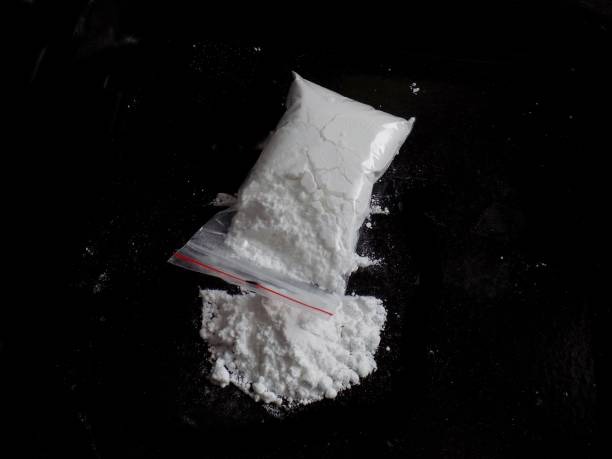
- The vast majority (99%) use it in powder form
- Many users are also involved in polydrug use, combining cocaine with alcohol or other substances
This combination significantly increases health risks and the likelihood of dependency.
The Link to Mental Health
One of the most overlooked aspects of cocaine use is its connection to mental health. Among recent users:
- 26% have been diagnosed or treated for a mental health condition
- 31% experience high or very high psychological distress
These figures suggest that cocaine use is not just a recreational issue—it is closely tied to deeper emotional and psychological challenges.
Crime and the Cocaine Economy
Cocaine is not produced in Australia, which means it must be imported. This creates a lucrative market for organized crime.
Australia’s high prices and strong demand make it an attractive destination for traffickers. As a result:
- Large-scale importation attempts are common
- Coastal regions like Port Macquarie are used as transit points
- Criminal networks operate both locally and internationally
In one case, an individual involved in a drug syndicate accumulated a $15,000 debt due to heavy cocaine use, highlighting the financial risks associated with the drug.
Why Port Macquarie Is Vulnerable
Several factors make Port Macquarie susceptible to hidden drug activity:
1. Coastal Location
Its position along the NSW coastline makes it accessible for maritime drug routes.
2. Tourism Economy
An influx of visitors can increase demand for recreational substances.
3. Growing Population
As the town expands, so does the diversity of its social and economic landscape.
4. Regional Isolation
Limited access to services and resources can make prevention and treatment more challenging.
Cocaine vs. Other Drugs in Regional Australia
While cocaine use is rising, it is not the only concern. Methamphetamine (“ice”) remains a major issue in regional Australia, often described as the biggest drug challenge in these areas.
However, cocaine’s growing popularity—especially among younger and more affluent users—means it is becoming an increasingly important part of the overall drug picture.
Social Perception vs. Reality
One reason cocaine remains a hidden issue is its reputation. It is often seen as:
- A “party drug”
- Less dangerous than other illicit substances
- Associated with status or lifestyle
But the reality is different. Cocaine can lead to:
- Addiction
- Cardiovascular problems
- Anxiety and depression
- Financial and legal consequences
The gap between perception and reality allows the problem to grow quietly, especially in communities that do not see themselves as “drug-affected.”
What Can Be Done?
Addressing cocaine use in Port Macquarie requires a balanced approach:
Education
Raising awareness about the risks and realities of cocaine use is essential.
Community Support
Providing accessible mental health and addiction services can help those at risk.
Law Enforcement
Continued efforts to disrupt trafficking networks are crucial.
Open Conversations
Reducing stigma can encourage individuals to seek help without fear of judgment.
Final Thoughts
Port Macquarie may appear far removed from the drug issues seen in larger cities, but the facts tell a different story. Cocaine use is part of a broader national trend that is increasingly affecting regional communities.
The “hidden” nature of this issue makes it more challenging—but also more important—to address. By understanding the facts, acknowledging the risks, and supporting community-based solutions, Port Macquarie can better respond to this growing concern.