Blog
Flake Cocaine: What Users Should Understand First


Flake Cocaine: What Users Should Understand First
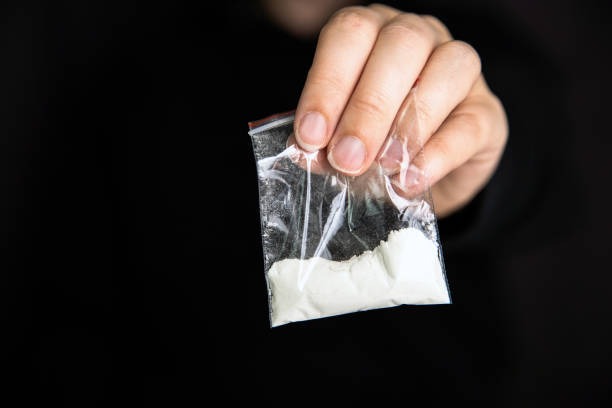
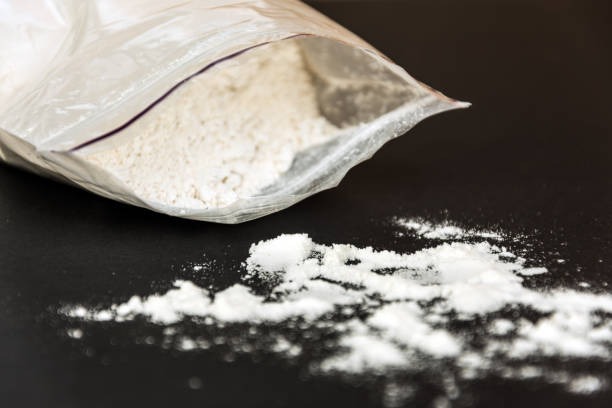
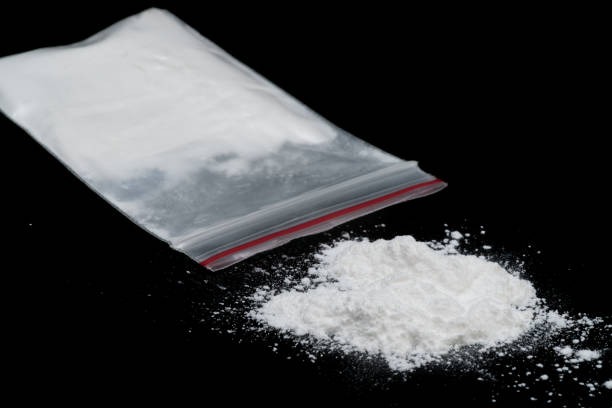
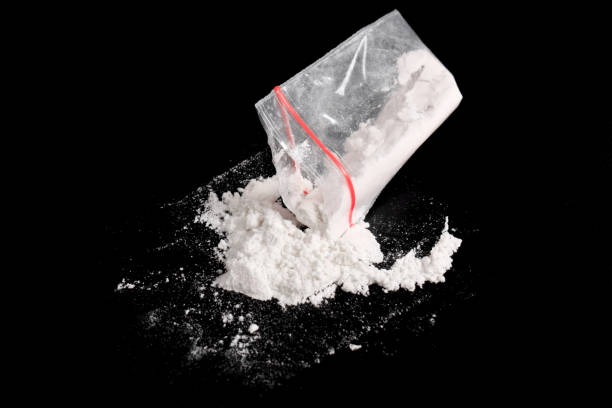
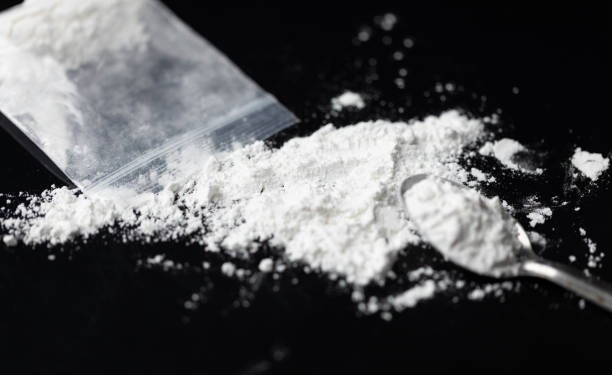
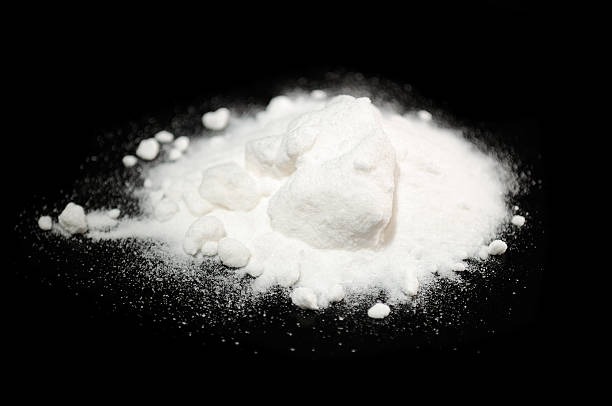
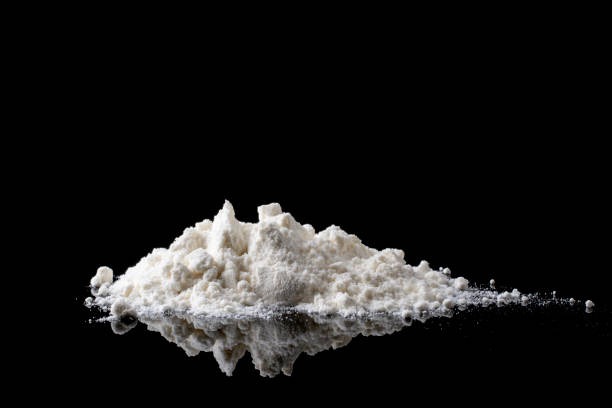
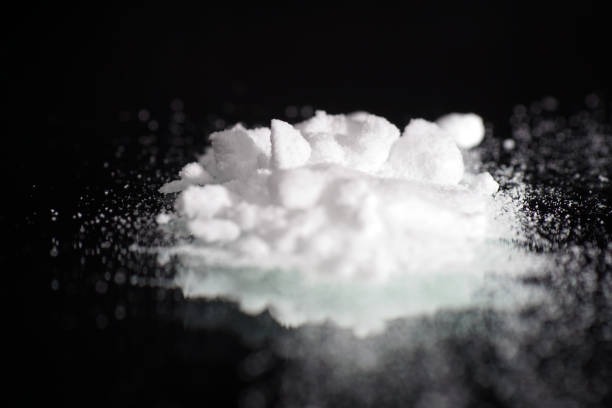
“Flake” is a street term for cocaine that appears in thin, crystalline flakes rather than a fine powder. People often assume it signals higher purity, but appearance alone is not a reliable indicator. The illicit market is inconsistent, and substances sold as “flake” can still be cut or contaminated.
How Cocaine Affects the Body and Brain
Flake Cocaine: What Users Should Understand First. Cocaine is a powerful central nervous system stimulant. It blocks the reuptake of dopamine, leading to a short-lived surge in euphoria, alertness, and confidence. These effects typically wear off quickly, often followed by a “crash” marked by fatigue, irritability, or low mood.
Common short-term effects include:
- Increased heart rate and blood pressure
- Dilated pupils, reduced appetite
- Restlessness, talkativeness, insomnia
- Anxiety or agitation

High Purity Doesn’t Mean Lower Risk
A frequent misconception is that “cleaner” cocaine is safer. In reality:
- Higher potency increases overdose risk (especially for people with lower tolerance)
- Stronger effects can mask warning signs until complications occur
- Mixing with other substances (knowingly or unknowingly) can multiply dangers
Contamination and Adulterants
Illicit cocaine is often mixed with other substances to increase volume or alter effects. Some adulterants can be more dangerous than cocaine itself.
Known risks include:
- Levamisole (a veterinary drug) linked to severe immune suppression and skin damage
- Local anesthetics that can strain the heart
- Other stimulants that raise toxicity
There is no reliable way to confirm contents without proper testing.
Mental Health Impact
Cocaine can significantly affect mental wellbeing:
- Anxiety, paranoia, and panic attacks are common
- Repeated use is associated with depression and mood instability
- In some cases, psychosis (hallucinations or delusions) can occur
- The crash phase often worsens existing mental health conditions
Cardiovascular and Physical Risks
Even occasional use can stress the body:
- Irregular heartbeat (arrhythmias) and elevated blood pressure
- Risk of heart attack or stroke, including in young, otherwise healthy individuals
- Seizures in severe cases
- Nasal damage with repeated use via the nose
Addiction and Dependence
Cocaine has a high potential for psychological dependence. Because the effects are brief, users may feel compelled to repeat dosing, which increases risk.
Warning signs of developing dependence:
- Strong cravings and loss of control over use
- Using more frequently or in larger amounts than intended
- Neglecting responsibilities or relationships
- Continuing despite negative consequences
Mixing With Alcohol and Other Substances
Combining cocaine with alcohol produces cocaethylene in the body, which:
- Places greater strain on the heart and liver
- Is associated with a higher risk of sudden death than either substance alone
Mixing with other drugs (including prescription medications) can further increase unpredictability and harm.
Legal Consequences
Cocaine is illegal in many countries, including the UK and India. Possession, supply, or trafficking can lead to serious criminal penalties, affecting employment, travel, and long-term opportunities.
Recognizing Overdose and When to Seek Help
An overdose is a medical emergency. Warning signs include:
- Severe chest pain or difficulty breathing
- Seizures
- Extreme agitation or confusion
- Very high body temperature
- Collapse or loss of consciousness
Seek emergency medical help immediately if these occur.
Safer Choices and Support
If you or someone you know is struggling with stimulant use:
- Consider speaking to a qualified healthcare professional
- Local drug and alcohol services can provide confidential advice and treatment
- Support groups and counseling can help address underlying stress, anxiety, or habits
Conclusion
“Flake” cocaine is often perceived as higher quality, but that perception does not reduce the risks. The reality is a substance with unpredictable composition, significant health dangers, and a strong potential for dependence. Understanding these facts is essential to making informed, safer decisions and recognizing when to seek help.