
Blog
Cocaine in Wagga Wagga: The Dark Side of a Quiet City


Cocaine in Wagga Wagga: The Dark Side of a Quiet City
Cocaine in Wagga Wagga: The Dark Side of a Quiet City. Wagga Wagga, a regional hub in New South Wales, is often seen as a peaceful and family-friendly city. Known for its strong community spirit, agricultural roots, and slower pace of life, it represents the kind of place many people associate with safety and stability. However, beneath this calm exterior lies a growing concern that is affecting not just big cities, but regional towns as well—cocaine use.
While cocaine is often linked to nightlife scenes in major urban centers, recent trends show that its reach has extended far beyond metropolitan areas. Wagga Wagga is no exception. The rise of cocaine in this quiet city reveals a complex and troubling reality that deserves attention.
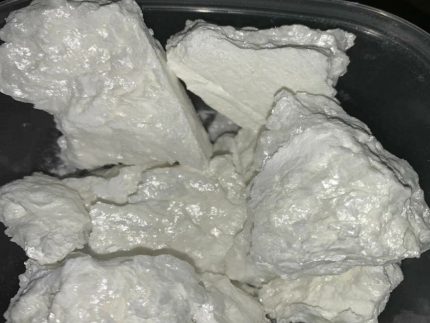
The Rising Presence of Cocaine in Regional Australia
Cocaine use in Australia has steadily increased over the years. According to national data, around 4.5% of Australians reported using cocaine in the past 12 months, making it one of the most commonly used illicit drugs in the country . What’s even more concerning is that lifetime use has also risen significantly, indicating a growing acceptance and availability of the drug.
New South Wales, where Wagga Wagga is located, consistently records some of the highest cocaine consumption levels in the country . While cities like Sydney often dominate headlines, regional areas are increasingly becoming part of the same narrative.
Wagga Wagga: A Quiet City Facing Loud Problems
Wagga Wagga may not seem like a hotspot for drug activity, but statistics suggest otherwise. In 2025 alone, the city recorded 149 drug-related incidents, including cases involving cocaine and other substances . This figure highlights that drug use is not confined to large urban areas—it is present and growing in regional communities too.
Law enforcement actions also point to a deeper issue. In 2023, police charged three individuals in Wagga Wagga for allegedly supplying cocaine, uncovering cash, drugs, and other illegal items during investigations . Such incidents reveal organized supply chains operating even in smaller cities.
Recent police operations in the region have also detected drug-related offenses during routine crackdowns, indicating that the issue persists and may be more widespread than publicly visible .
Why Cocaine Is Spreading in Regional Areas
Several factors contribute to the rise of cocaine use in places like Wagga Wagga:
1. Increased Availability
Improved transport networks and organized crime operations have made it easier to distribute drugs across Australia. Cocaine is no longer limited to major cities—it is reaching regional markets more efficiently.
2. Changing Social Perceptions
Cocaine is often perceived as a “party drug” associated with status and social events. In some circles, it carries less stigma than other illicit substances, making it more appealing to younger adults.
3. Economic Factors
Despite its high cost, cocaine remains popular in Australia due to strong demand. The country is considered one of the most lucrative markets globally, with users willing to pay premium prices .
4. Lifestyle and Boredom
In regional areas, limited entertainment options and social outlets can sometimes lead individuals—especially young people—to experiment with drugs. Community discussions even suggest that boredom and lack of opportunities can contribute to substance use trends.
The Health Risks: A Dangerous Reality
Cocaine is often glamorized, but its effects can be severe and long-lasting. In the short term, users may experience euphoria, increased energy, and heightened alertness. However, these effects are short-lived and often followed by a crash.
Long-term use can lead to serious health issues, including:
- Heart attacks and cardiovascular disease
- Stroke
- Anxiety, depression, and paranoia
- Sleep disorders
- Cocaine-induced psychosis
These risks are not theoretical—they are well-documented consequences of ongoing use . In some cases, contaminated or mixed substances can make the drug even more dangerous, leading to unexpected overdoses.
The Social Impact on the Community
The presence of cocaine in Wagga Wagga is not just a health issue—it is a social one. Drug use can contribute to:
- Increased crime rates
- Strain on healthcare services
- Family and relationship breakdowns
- Reduced workplace productivity
Crime data already shows a broader rise in incidents in the region, with overall crime increasing by nearly 29% over five years . While not all of this is directly linked to cocaine, substance abuse often plays a role in broader criminal activity.
Law Enforcement and Government Response
Authorities in New South Wales are taking steps to address drug-related issues, including increased policing, targeted operations, and broader policy discussions. Drug summits and investments in treatment services aim to tackle both supply and demand.
However, enforcement alone is not enough. Experts emphasize the need for:
- Education and awareness programs
- Accessible treatment and rehabilitation services
- Community-based support systems
Regional areas like Wagga Wagga require tailored approaches that reflect their unique challenges and demographics.
Breaking the Silence
One of the biggest challenges in addressing cocaine use in smaller cities is the lack of open discussion. The perception that drug problems only exist in big cities can prevent communities from acknowledging and addressing local issues.
Raising awareness is a crucial first step. By understanding the risks, recognizing the signs, and supporting those affected, communities can begin to combat the problem more effectively.
Conclusion: A Hidden Issue That Needs Attention
Wagga Wagga may still be a quiet city on the surface, but the rise of cocaine use reveals a more complex reality. This issue is not isolated—it reflects a broader national trend that is reaching every corner of Australia.
Addressing the problem requires a balanced approach that combines law enforcement, education, healthcare, and community engagement. Ignoring it will only allow it to grow.