Blog
How Crack Cocaine Impacts the Brain and Body
How Crack Cocaine Impacts the Brain and Body. Crack cocaine is a highly addictive stimulant that has significant effects on both the brain and the body. Although users often experience a brief period of intense euphoria, the drug can quickly lead to serious physical, psychological, and social consequences. Understanding how crack cocaine impacts the brain and body is essential for raising awareness about its risks and encouraging individuals to seek help if they or someone they know is struggling with addiction.
This article explores the science behind crack cocaine, its immediate and long-term effects, and why treatment and recovery are critical.

What Is Crack Cocaine?
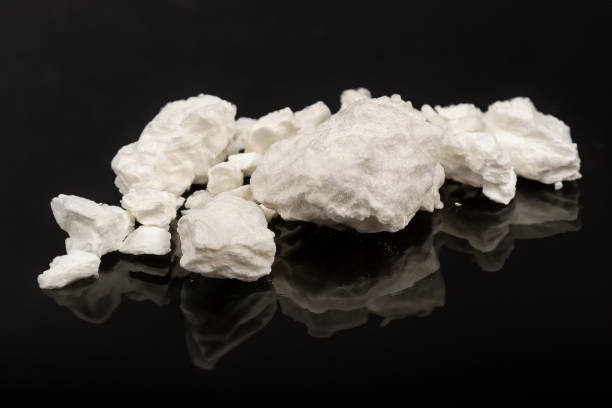
Crack cocaine is a smokable form of cocaine made by processing cocaine hydrochloride with baking soda or ammonia. Unlike powdered cocaine, crack is usually smoked, allowing it to enter the bloodstream rapidly through the lungs.
Because it reaches the brain within seconds, crack produces an intense but short-lived high that typically lasts between 5 and 15 minutes. This brief duration often leads users to consume the drug repeatedly in a short period, increasing the risk of addiction and overdose.
How Crack Cocaine Affects the Brain
The brain relies on neurotransmitters to communicate between nerve cells. One of the most important is dopamine, which regulates pleasure, motivation, and reward.
Crack cocaine blocks the reabsorption of dopamine, causing it to build up in the brain. This creates an overwhelming sense of pleasure and energy. However, repeated exposure disrupts the brain’s natural reward system.
Increased Dopamine Levels
The sudden surge of dopamine causes users to experience:
- Intense euphoria
- Increased confidence
- Heightened alertness
- Elevated energy
- Reduced fatigue
Although these feelings may seem positive initially, they come at a significant cost.
Brain Changes Over Time
Repeated crack cocaine use alters the brain’s chemistry. Eventually, the brain produces less dopamine naturally, making it difficult to experience pleasure without the drug.
Long-term brain effects may include:
- Memory problems
- Difficulty concentrating
- Poor decision-making
- Reduced impulse control
- Emotional instability
- Increased risk of depression
These neurological changes contribute to compulsive drug use and make quitting especially difficult.
Psychological Effects
Crack cocaine affects mental health in several ways.
Short-Term Psychological Effects
Immediately after using crack, individuals may experience:
- Excitement
- Increased confidence
- Hyperactivity
- Restlessness
- Anxiety
- Irritability
As the drug wears off, many users experience a “crash” characterized by fatigue, depression, and intense cravings.
Long-Term Mental Health Risks
Chronic use increases the likelihood of:
- Severe anxiety disorders
- Depression
- Panic attacks
- Aggressive behavior
- Hallucinations
- Delusions
- Drug-induced psychosis
Some individuals may continue experiencing psychological symptoms even after they stop using the drug.
Physical Effects on the Body
Crack cocaine places tremendous stress on multiple organ systems.
Cardiovascular System
One of the greatest dangers involves the heart and blood vessels.
Potential complications include:
- Increased heart rate
- High blood pressure
- Irregular heartbeat
- Heart attack
- Stroke
- Sudden cardiac arrest
Even first-time use can trigger life-threatening cardiovascular events.
Respiratory System
Since crack is smoked, it directly affects the lungs.
Users may develop:
- Chronic coughing
- Chest pain
- Shortness of breath
- Lung inflammation
- Respiratory infections
- Damage to lung tissue
Repeated smoking can permanently impair lung function.
Nervous System
The nervous system becomes overstimulated, increasing the risk of:
- Tremors
- Seizures
- Muscle twitching
- Severe headaches
- Hyperthermia
High doses may result in medical emergencies requiring immediate treatment.
Effects on Other Organs
Crack cocaine also impacts numerous other body systems.
Digestive System
Users frequently experience:
- Loss of appetite
- Weight loss
- Malnutrition
- Abdominal pain
- Nausea
Poor nutrition further weakens the immune system and overall health.
Kidneys
Reduced blood flow and elevated blood pressure can damage kidney function, especially during overdose or prolonged use.
Liver
When combined with alcohol, cocaine forms a toxic substance called cocaethylene, which increases stress on the liver while also raising the risk of sudden cardiac events.
Why Crack Cocaine Is So Addictive
Several factors contribute to crack cocaine’s high addiction potential.
Rapid Onset
Smoking delivers the drug to the brain within seconds, producing immediate reinforcement.
Short Duration
Because the high fades quickly, users often consume additional doses repeatedly to maintain the effect.
Powerful Cravings
As dopamine levels drop, intense cravings develop, making it difficult to resist further use.
Tolerance
Over time, users require increasing amounts of the drug to achieve similar effects, increasing health risks.
Signs of Crack Cocaine Addiction
Recognizing addiction early can improve treatment outcomes.
Common signs include:
- Strong cravings
- Frequent drug use despite consequences
- Financial problems
- Neglecting responsibilities
- Mood swings
- Secretive behavior
- Weight loss
- Burn marks on lips or fingers from smoking
- Sleep disturbances
Addiction affects every aspect of life, including relationships, employment, education, and overall well-being.
Risks of Overdose
Crack cocaine overdose is a medical emergency.
Warning signs may include:
- Chest pain
- Difficulty breathing
- Extremely high body temperature
- Seizures
- Confusion
- Severe agitation
- Loss of consciousness
- Stroke symptoms
- Cardiac arrest
Anyone showing these symptoms should receive emergency medical care immediately.
Treatment and Recovery
Recovery from crack cocaine addiction is possible with appropriate support and evidence-based care.
Treatment plans often include:
- Medically supervised detoxification when needed
- Individual counseling
- Cognitive behavioral therapy (CBT)
- Contingency management programs
- Group therapy
- Family counseling
- Peer support groups
- Long-term relapse prevention strategies
Although there is currently no medication specifically approved to treat crack cocaine addiction, behavioral therapies have helped many individuals achieve long-term recovery.
Preventing Relapse
Recovery continues beyond initial treatment.
Helpful strategies include:
- Building healthy daily routines
- Avoiding high-risk situations
- Managing stress effectively
- Exercising regularly
- Maintaining good nutrition
- Participating in support groups
- Staying connected with healthcare providers
- Developing strong social support networks
Consistent follow-up care significantly improves long-term outcomes.
Final Thoughts
Understanding how crack cocaine impacts the brain and body highlights why this drug poses such serious health risks. While it produces an intense but short-lived feeling of euphoria, repeated use can alter brain function, damage vital organs, increase the risk of overdose, and lead to severe addiction.
The good news is that recovery is possible. With professional treatment, behavioral therapies, and ongoing support, many people successfully overcome crack cocaine addiction and rebuild healthy, fulfilling lives. Raising awareness, recognizing the warning signs, and encouraging early intervention can make a meaningful difference for individuals, families, and communities affected by substance use disorders.