Blog
Crystal Meth: Understanding the Risks and Long-Term Effects
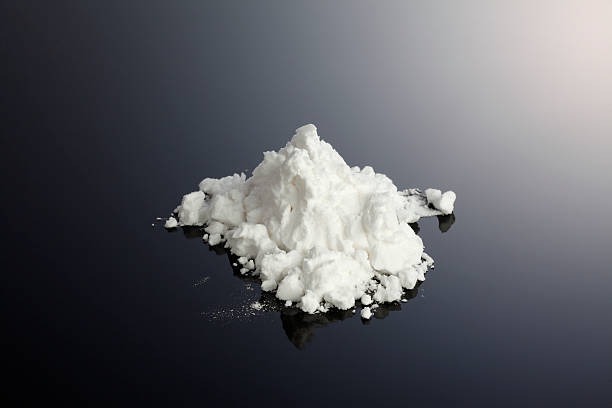
Crystal methamphetamine, commonly known as crystal meth, is a powerful and highly addictive stimulant that affects the central nervous system. While some individuals misuse it for temporary feelings of energy, confidence, or alertness, the long-term consequences can be severe and life-altering. Understanding the risks associated with crystal meth is essential for making informed decisions and recognizing the importance of prevention, early intervention, and treatment.
This guide explores what crystal meth is, how it affects the body and mind, its short- and long-term health risks, signs of addiction, and the importance of seeking professional help.

What Is Crystal Meth?
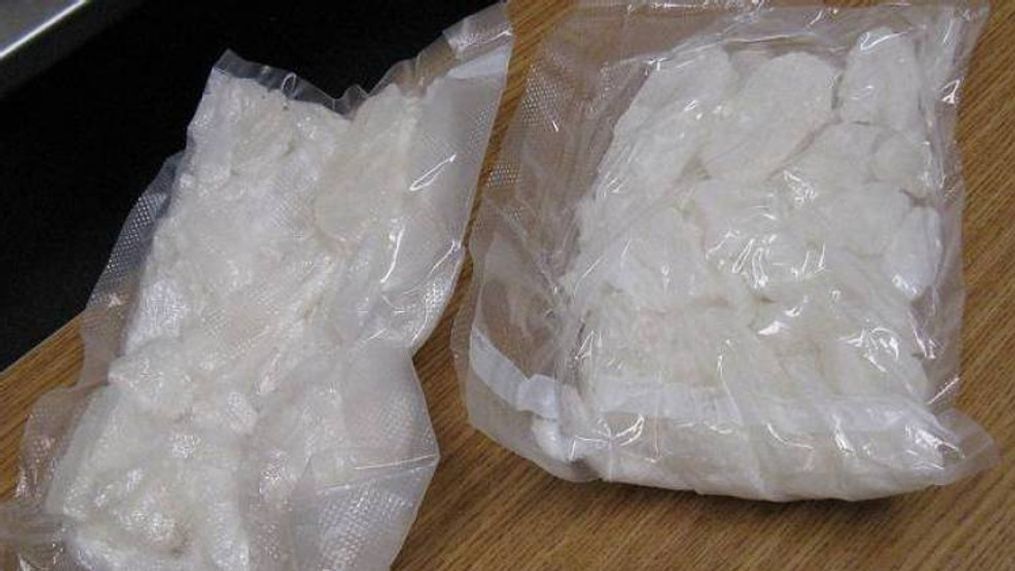
Crystal Meth: Understanding the Risks and Long-Term Effects. Crystal meth is a synthetic stimulant belonging to the amphetamine class of drugs. It typically appears as clear or bluish-white crystals and is often smoked, although it may also be swallowed, snorted, or injected.
The drug works by causing the brain to release large amounts of dopamine, a neurotransmitter associated with pleasure, motivation, and reward. This creates an intense but short-lived sense of euphoria, followed by a crash that often leads users to take more, increasing the risk of addiction.
Why Is Crystal Meth So Addictive?
Crystal meth produces rapid and intense effects by flooding the brain with dopamine. Over time, repeated use changes the brain’s natural reward system, making it increasingly difficult to experience pleasure without the drug.
As tolerance develops, users often require larger or more frequent doses to achieve the same effects. This cycle significantly increases the likelihood of dependence and addiction.
Common reasons why crystal meth is highly addictive include:
- Rapid onset of effects
- Intense feelings of euphoria
- Increased energy and alertness
- Reduced appetite
- Temporary boost in confidence
- Strong psychological cravings
Short-Term Effects of Crystal Meth
Short-term use can produce several immediate physical and psychological effects, including:
Physical Effects
- Increased heart rate
- Elevated blood pressure
- Rapid breathing
- Increased body temperature
- Dilated pupils
- Reduced appetite
- Difficulty sleeping
- Excessive sweating
Psychological Effects
- Intense euphoria
- Increased confidence
- Hyperactivity
- Restlessness
- Anxiety
- Irrability
- Aggression
- Paranoia in some individuals
While these effects may initially appear appealing to some users, they come with significant health risks that can develop quickly.
Long-Term Effects of Crystal Meth
The long-term consequences of crystal meth use are often severe and can affect nearly every organ system in the body.
Brain Damage
One of the most serious risks is damage to brain function. Long-term use may impair:
- Memory
- Learning ability
- Decision-making
- Emotional regulation
- Concentration
- Motor coordination
Some changes may improve after prolonged abstinence, but recovery can take months or even years.
Mental Health Problems
Chronic crystal meth use is associated with numerous mental health conditions, including:
- Anxiety disorders
- Depression
- Severe mood swings
- Panic attacks
- Psychosis
- Hallucinations
- Delusions
- Violent behavior
Meth-induced psychosis can sometimes persist even after drug use stops, requiring specialized medical treatment.
Cardiovascular Damage
Long-term use places significant stress on the heart and blood vessels.
Potential complications include:
- Heart attack
- Stroke
- Irregular heartbeat
- High blood pressure
- Heart failure
These conditions may occur even in younger individuals with no previous history of cardiovascular disease.
Dental Problems
The term “meth mouth” refers to the severe dental damage commonly associated with long-term methamphetamine use.
Symptoms may include:
- Extensive tooth decay
- Broken teeth
- Gum disease
- Tooth loss
- Chronic dry mouth
Poor nutrition, reduced saliva production, and teeth grinding contribute to these problems.
Skin Damage
Many long-term users experience skin issues such as:
- Acne
- Open sores
- Infections
- Slow wound healing
Some individuals repeatedly scratch their skin due to the sensation of insects crawling beneath it, increasing the risk of infection.
Weakened Immune System
Chronic meth use can weaken the immune system, making users more vulnerable to infections and slowing recovery from illness.
Impact on Daily Life
Crystal meth addiction affects much more than physical health.
Many individuals experience:
- Poor work performance
- Job loss
- Financial difficulties
- Relationship breakdowns
- Social isolation
- Legal problems
- Housing instability
As addiction progresses, obtaining and using the drug often becomes the primary focus of daily life.
Recognizing the Signs of Addiction
Early recognition can improve treatment outcomes.
Common warning signs include:
- Constant cravings
- Needing increasing amounts of the drug
- Inability to stop using
- Neglecting responsibilities
- Withdrawing from family and friends
- Poor hygiene
- Significant weight loss
- Mood changes
- Financial problems
- Risk-taking behaviors
Seeking professional help early is associated with better recovery outcomes.
Withdrawal Symptoms
Stopping crystal meth after prolonged use can produce withdrawal symptoms such as:
- Extreme fatigue
- Depression
- Anxiety
- Increased appetite
- Sleep disturbances
- Intense drug cravings
- Difficulty concentrating
- Irritability
Although withdrawal is generally not life-threatening, professional medical supervision can help manage symptoms and reduce the risk of relapse.
Treatment and Recovery
Recovery from methamphetamine addiction is possible, but it often requires comprehensive support and ongoing care.
Effective treatment may include:
Medical Assessment
Healthcare professionals can evaluate physical and mental health needs and develop an individualized treatment plan.
Behavioral Therapy
Evidence-based therapies such as cognitive behavioral therapy (CBT) and contingency management have been shown to help people reduce methamphetamine use and maintain recovery.
Counseling
Individual, family, and group counseling can help address emotional challenges, improve coping skills, and rebuild relationships.
Support Groups
Peer support programs can provide encouragement, accountability, and long-term motivation throughout recovery.
Healthy Lifestyle Changes
Recovery often benefits from:
- Balanced nutrition
- Regular exercise
- Consistent sleep
- Stress management techniques
- Building healthy social connections
Preventing Crystal Meth Use
Prevention starts with education and awareness.
Helpful strategies include:
- Learning about the health risks
- Building healthy coping skills
- Encouraging open communication
- Supporting mental health
- Seeking help early for substance use concerns
- Promoting positive community resources
Parents, educators, healthcare providers, and community organizations all play important roles in prevention.
Supporting Someone Struggling with Addiction
If someone you care about is using crystal meth, remember that addiction is a complex medical condition rather than simply a lack of willpower.
Supportive approaches include:
- Listening without judgment
- Encouraging professional treatment
- Avoiding enabling behaviors
- Learning about addiction
- Taking care of your own well-being
- Remaining patient throughout recovery
Professional intervention may be necessary when addiction significantly affects health or safety.
Final Thoughts
Crystal meth is a highly addictive stimulant that can have devastating effects on physical health, mental well-being, relationships, and quality of life. While the short-term effects may seem appealing to some individuals, the long-term risks—including cardiovascular disease, mental health disorders, cognitive impairment, and severe addiction—far outweigh any temporary benefits.
The encouraging news is that recovery is possible. Early recognition, evidence-based treatment, strong social support, and ongoing commitment to recovery can help individuals rebuild healthy, productive lives. Increasing awareness about the dangers of crystal meth and promoting access to effective treatment are essential steps in reducing the impact of this harmful substance on individuals, families, and communities.