Blog
Cocaine in Brisbane: What Residents Need to Know

Cocaine in Brisbane: What Residents Need to Know
Cocaine in Brisbane: What Residents Need to Know. Brisbane has seen increasing discussion around illicit drug use in recent years, with cocaine becoming more visible in nightlife settings, social circles, and law enforcement reports. While the topic often appears in headlines or online conversations, many residents still do not fully understand the risks associated with cocaine use, its impact on communities, or the growing concerns raised by health professionals across Australia.
Understanding the realities behind cocaine use is important for individuals, families, and communities alike. From health dangers to legal consequences and social impacts, this article explores what Brisbane residents should know about cocaine and why awareness matters more than ever.
Understanding Cocaine and Its Effects
Cocaine is a powerful stimulant drug derived from coca plant leaves. It affects the central nervous system and creates short-term feelings of energy, confidence, alertness, and euphoria. However, these effects are temporary and often followed by a significant “crash” that can include fatigue, anxiety, irritability, and depression.
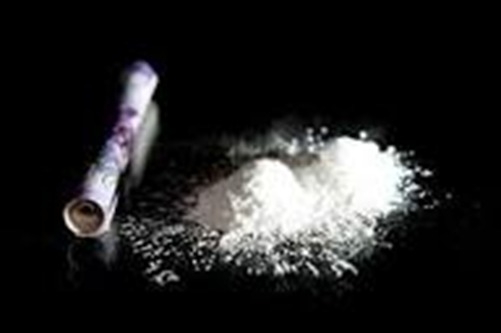
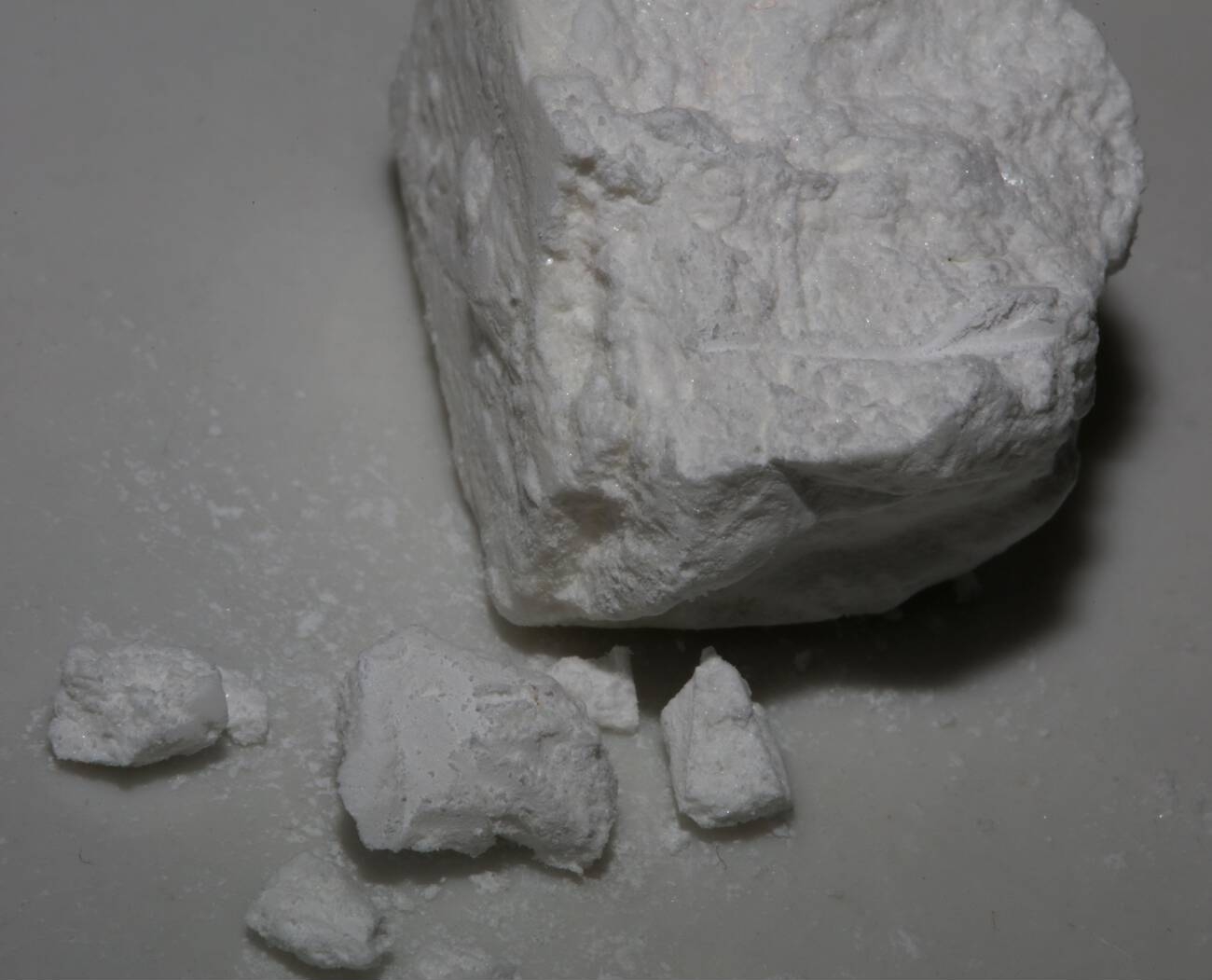
The drug is typically sold as a white powder and is most commonly snorted, although some users inject or smoke it. Because cocaine is illegal and unregulated, purity levels vary significantly. Many substances sold as cocaine may contain dangerous additives or other drugs entirely.
Health experts warn that even occasional use can carry serious risks, especially when mixed with alcohol or other substances.
Cocaine Use Trends in Australia
Australia has experienced rising cocaine consumption over recent years. National wastewater monitoring and law enforcement reports indicate that stimulant use, including cocaine, has reached record levels in several parts of the country.
Although Sydney has traditionally been associated with higher cocaine use, Brisbane has also seen growing concern around stimulant-related issues, particularly in nightlife districts and entertainment precincts. Discussions across community forums and social media suggest residents are increasingly noticing drug-related behaviour in public spaces and entertainment areas.
Authorities continue to conduct major drug seizures in Queensland. In one recent case, Australian police seized more than 250 kilograms of cocaine from a shipping container in Brisbane, with an estimated street value exceeding $80 million.
These incidents highlight the scale of the illegal drug trade and the ongoing demand driving criminal networks.
The Health Risks Associated With Cocaine
Many people underestimate how dangerous cocaine can be because it is often portrayed socially as a “party drug.” In reality, cocaine can have severe physical and mental health consequences.
Short-term risks include:
- Increased heart rate
- Elevated blood pressure
- Aggressive or impulsive behaviour
- Panic attacks
- Anxiety and paranoia
- Reduced judgment and risk-taking behaviour
Long-term or repeated use may contribute to:
- Heart disease
- Stroke
- Severe anxiety and depression
- Insomnia
- Cognitive impairment
- Psychosis
- Addiction and dependence
Regular snorting can also damage nasal tissue and sinuses over time. Health organisations further warn that mixing cocaine with alcohol or opioids significantly increases overdose risk and other life-threatening complications.
Mental Health and Addiction Concerns
One of the biggest misconceptions about cocaine is that it is not highly addictive. In reality, repeated use can quickly lead to dependence, especially because the drug’s effects wear off rapidly, encouraging users to take more.
Addiction specialists in Australia have reported increasing concern about people using stimulants to cope with stress, work pressure, or untreated mental health conditions. Some individuals may initially use cocaine recreationally but later develop patterns of frequent or compulsive use.
Withdrawal symptoms can include:
- Depression
- Fatigue
- Anxiety
- Irritability
- Sleep disturbances
- Intense cravings
Mental health professionals emphasise that early intervention and support are essential for individuals struggling with substance dependence.
Community and Social Impact in Brisbane
Drug use affects more than just individuals. Communities also experience consequences related to crime, healthcare pressure, family instability, and public safety concerns.
The Australian Institute of Health and Welfare notes that illicit drug use contributes to social harm, violence, injury, economic costs, and broader community impacts.
Residents in Brisbane have increasingly discussed visible drug-related incidents in public areas, especially around nightlife districts and transport hubs. Some online discussions point to broader social issues such as housing stress, cost-of-living pressures, mental health struggles, and limited access to support services.
Law enforcement agencies also continue to focus on organised crime groups involved in drug importation and distribution across Australia.
Driving and Public Safety Risks
Driving under the influence of cocaine is extremely dangerous. The drug may increase confidence and reduce inhibition, but it also impairs concentration, decision-making, and reaction time.
Police agencies across Australia have expanded roadside drug testing programs to target drivers affected by stimulants. Authorities warn that cocaine-related impairment can contribute to aggressive driving and serious accidents.
Residents should understand that drug driving offences carry severe legal penalties, including fines, licence suspension, and criminal charges.
The Importance of Harm Reduction and Awareness
Public health experts often stress the importance of education, prevention, and harm minimisation strategies. This includes informing communities about contaminated substances, overdose risks, and access to support services.
Recent discussions in Queensland have highlighted debates around pill testing and drug-checking services after dangerous synthetic substances were detected in illicit drugs circulating in the community.
Even substances sold as cocaine may contain unknown chemicals or synthetic drugs, increasing the risk of severe reactions or overdose.
Awareness campaigns and accessible mental health services remain important tools in helping reduce harm and support vulnerable individuals.
Support and Help Resources
If you or someone you know is struggling with substance use, support is available. Seeking help early can make a significant difference.
Australian support services include:
- Alcohol and Drug Information Service (ADIS)
- Lifeline Australia
- Beyond Blue
- Local Queensland Health alcohol and drug services
- Community counselling and rehabilitation programs
Reaching out for professional support is a positive and important step toward recovery.
Final Thoughts
Cocaine use remains a growing concern across Australia, including Brisbane. While some may view the drug as a casual part of nightlife culture, the reality is far more serious. Health risks, addiction, organised crime, impaired driving, and community harm are all connected to cocaine use.
Education and awareness are essential for helping residents make informed decisions and recognise the broader impact illicit drugs can have on individuals and communities. By encouraging open conversations, supporting prevention efforts, and improving access to mental health and addiction services, Brisbane can continue working toward safer and healthier communities for everyone.