Blog
Cocaine in France: Trends Risks and Public Health Response


Cocaine in France: Trends Risks and Public Health Response
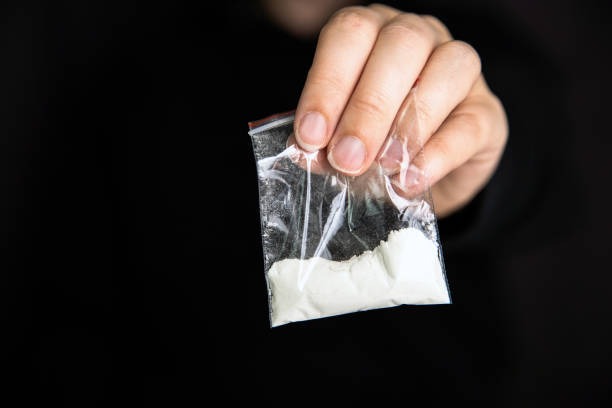
Cocaine use in France has become an increasing concern over the past decade, affecting public health, law enforcement, and social systems. While the country has traditionally dealt more with cannabis use, cocaine is now one of the fastest-growing illicit drugs in terms of consumption and availability.
Current Situation and Trends
Cocaine in France: Trends Risks and Public Health Response. Recent data from public health agencies indicate that:
- Cocaine use has steadily increased, especially in urban areas like Paris, Marseille, and Lyon
- It is no longer limited to elite or nightlife circles—use has spread across broader demographics
- The drug is more accessible and affordable than in previous years
France is now among the European countries with rising cocaine consumption rates, reflecting wider trends across the continent.

Why Cocaine Use Is Increasing
Several factors contribute to this rise:
1. Increased Supply
Large quantities of cocaine are trafficked into Europe through ports and transit routes, making France a key entry and distribution point.
2. Lower Prices
Greater supply has led to falling prices, increasing accessibility for younger and middle-income users.
3. Social and Lifestyle Factors
Cocaine is often associated with:
- Nightlife and party culture
- High-pressure work environments
- Social experimentation among youth
Health Risks and Consequences
Cocaine is a powerful stimulant with serious health effects:
Short-Term Effects
- Increased heart rate and blood pressure
- Euphoria and heightened energy
- Anxiety and paranoia
Long-Term Effects
- Addiction and dependency
- Cardiovascular problems (heart attack, stroke)
- Mental health issues (depression, psychosis)
Overdoses and emergency hospital visits related to cocaine have significantly increased in recent years.
Legal Status in France
Cocaine is illegal in France under strict drug laws.
Possession, use, or trafficking can result in:
- Fines and criminal charges
- Imprisonment (especially for trafficking)
- Mandatory treatment programs in some cases
France enforces both criminal penalties and public health interventions.
Government and Public Health Response
Authorities in France are addressing the issue through:
Law Enforcement
- Increased border and port inspections
- Crackdowns on trafficking networks
- International cooperation with European agencies
Public Health Initiatives
- Awareness campaigns targeting young people
- Harm reduction programs
- Access to addiction treatment and support services
Social Impact
The rise in cocaine use affects:
- Healthcare systems (more emergency cases)
- Public safety (drug-related crime)
- Workplace productivity
- Families and communities
Prevention and Awareness
Efforts to reduce cocaine use focus on:
- Education about risks
- Early intervention programs
- Support for individuals struggling with addiction
Recognizing the signs of misuse and seeking help early can significantly improve outcomes.
Final Thoughts
Cocaine use in France is a growing and complex issue driven by increased supply, changing social norms, and economic factors. Addressing it requires a balanced approach combining law enforcement, education, and healthcare support.