
Blog
Crystal Meth Rocks: How It Affects the Brain and Body


Crystal Meth Rocks: How It Affects the Brain and Body
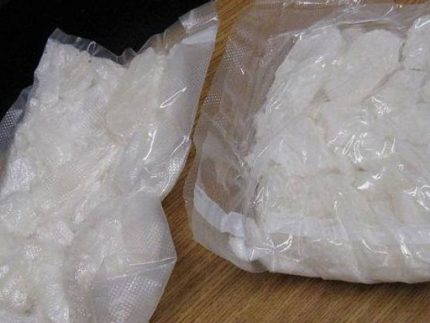
Crystal meth, also known as methamphetamine or “ice,” is a powerful and highly addictive stimulant that affects both the brain and the body in profound ways. Often appearing as clear or bluish crystalline rocks, crystal meth is known for its intense, fast-acting high — and its devastating long-term consequences.
Understanding how crystal meth affects the brain and body is critical for prevention, early intervention, and recovery. In this article, we’ll explore the short-term and long-term effects of crystal meth use, how addiction develops, and the serious health risks associated with this substance.
What Is Crystal Meth?
Crystal Meth Rocks: How It Affects the Brain and Body. Crystal meth is the crystalline form of methamphetamine, a synthetic stimulant that affects the central nervous system. Unlike some prescription stimulants used in controlled medical settings, crystal meth is typically produced illegally and can contain dangerous impurities.
Because it can be smoked, injected, snorted, or swallowed, crystal meth enters the bloodstream quickly, producing an intense rush of energy and euphoria. However, this powerful effect comes at a significant cost to the brain and body.
How Crystal Meth Affects the Brain
The brain is the primary target of crystal meth. Its impact on brain chemistry is both immediate and long-lasting.
1. Dopamine Flooding
Crystal meth causes a massive release of dopamine — the neurotransmitter responsible for pleasure, motivation, and reward. It also blocks the reabsorption of dopamine, causing it to build up in the brain.
This dopamine surge creates:
-
Intense euphoria
-
Increased confidence
-
Heightened alertness
-
Elevated energy levels
However, repeated use damages dopamine receptors, making it harder for the brain to experience pleasure naturally. Over time, users may feel depressed, anxious, or emotionally numb without the drug.
2. Changes in Brain Structure
Long-term methamphetamine use can alter brain structure and function. Research has shown:
-
Reduced gray matter in areas linked to memory and emotion
-
Damage to the prefrontal cortex, affecting decision-making and impulse control
-
Increased risk of psychosis and hallucinations
Some users experience paranoia, delusions, or violent behavior, especially with prolonged use.
3. Addiction and Dependence
Crystal meth is highly addictive. The intense dopamine release trains the brain to crave the drug repeatedly. As tolerance builds, users need larger amounts to feel the same effect.
Withdrawal symptoms can include:
-
Severe fatigue
-
Depression
-
Anxiety
-
Strong drug cravings
-
Sleep disturbances
Because of these symptoms, many individuals continue using simply to avoid withdrawal discomfort.
How Crystal Meth Affects the Body
While the brain takes a significant hit, the body also suffers serious consequences from crystal meth use.
1. Cardiovascular Damage
Crystal meth increases heart rate and blood pressure dramatically. Over time, this can lead to:
-
Irregular heartbeat
-
Heart attack
-
Stroke
-
Long-term heart damage
Even young users can experience severe cardiovascular complications.
2. “Meth Mouth”
One of the most visible effects of long-term use is severe dental decay, often called “meth mouth.” This condition results from:
-
Dry mouth (reduced saliva)
-
Teeth grinding
-
Poor oral hygiene
-
Cravings for sugary drinks
Teeth can become broken, discolored, or completely destroyed within a short time.
3. Skin Damage
Many users experience intense itching or the sensation of bugs crawling under the skin (a condition known as formication). This often leads to compulsive skin picking, causing:
-
Open sores
-
Infections
-
Permanent scarring
4. Weight Loss and Malnutrition
Crystal meth suppresses appetite and increases metabolism. Chronic use often leads to extreme weight loss and malnutrition, weakening the immune system and increasing vulnerability to illness.
5. Increased Risk of Infectious Diseases
When injected, crystal meth use increases the risk of:
-
HIV
-
Hepatitis B and C
-
Bloodborne infections
Risky behaviors associated with meth use can also contribute to the spread of sexually transmitted infections.
Short-Term Effects of Crystal Meth
Short-term effects may appear within minutes and can last for several hours. These include:
-
Intense energy and wakefulness
-
Rapid breathing
-
Elevated body temperature
-
Decreased appetite
-
Increased focus
-
Restlessness
However, high doses can lead to dangerous complications such as seizures, overheating, or overdose.
Long-Term Consequences
The long-term effects of crystal meth can be life-altering and, in some cases, permanent. These include:
-
Cognitive impairment
-
Memory loss
-
Chronic anxiety and depression
-
Psychosis
-
Heart disease
-
Organ damage
Recovery is possible, but some neurological damage may take years to heal — and in some cases, may not fully reverse.
Can the Brain Recover?
There is hopeful news. Studies show that some brain function can improve after prolonged abstinence. Dopamine activity may partially recover, and cognitive abilities can strengthen over time with proper treatment and support.
However, recovery often requires:
-
Medical supervision
-
Behavioral therapy
-
Support groups
-
Mental health treatment
Early intervention significantly improves long-term outcomes.
Treatment and Support Options
Treatment for crystal meth addiction typically includes behavioral therapies such as cognitive behavioral therapy (CBT), contingency management, and structured rehabilitation programs.
While there is currently no FDA-approved medication specifically for methamphetamine addiction, ongoing research is exploring potential treatment options.
Support systems — including family, community programs, and peer support groups — play a critical role in recovery.
Final Thoughts
Crystal meth rocks may appear small and crystalline, but their impact on the brain and body is massive. From dopamine disruption and cognitive damage to heart disease and severe dental decay, the consequences of methamphetamine use are serious and often long-lasting.
Education and awareness are powerful tools in preventing substance abuse. If you or someone you know is struggling with meth use, seeking professional help can be a life-changing first step.


