
Blog
Cocaine Powder: Myths and Facts You Should Be Aware Of


Cocaine Powder: Myths and Facts You Should Be Aware Of
Cocaine powder is one of the most widely discussed and misunderstood substances in the world. Popular culture, movies, and social media often glamorize its use, while public health organizations warn about its serious risks. To make informed decisions and promote awareness, it is important to separate myths from facts.
In this article, we’ll explore what cocaine powder is, how it affects the body and mind, common misconceptions, and the real dangers associated with its use.
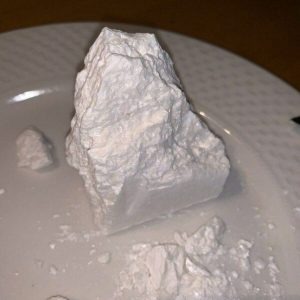
What Is Cocaine Powder?
Cocaine Powder: Myths and Facts You Should Be Aware Of. Cocaine powder is a powerful stimulant derived from the leaves of the coca plant, native to South America. It primarily affects the central nervous system by increasing levels of dopamine, a chemical messenger associated with pleasure and reward.
While some forms of coca leaves have traditional and regulated uses in certain countries, refined cocaine powder is illegal in most parts of the world. It is classified as a Schedule II drug in the United States under the Drug Enforcement Administration due to its high potential for abuse and limited medical application.
Common Myths About Cocaine Powder
There are many myths surrounding cocaine. Let’s break down some of the most common ones.
Cocaine Is Not Addictive
Fact: Cocaine is highly addictive.
Cocaine rapidly increases dopamine levels in the brain, creating intense but short-lived feelings of euphoria. This quick “high” often leads users to take repeated doses in a short period. Over time, the brain becomes dependent on the drug to produce pleasure, increasing the risk of addiction.
According to the National Institute on Drug Abuse, repeated cocaine use can lead to significant changes in brain structure and function, making it difficult to stop without professional help.
Occasional Use Is Safe
Fact: Even occasional use can be dangerous.
Some people believe that using cocaine socially or occasionally does not carry significant risk. However, cocaine can cause serious health complications even after a single use, including:
-
Heart attack
-
Stroke
-
Seizures
-
Sudden cardiac arrest
Cocaine increases heart rate and blood pressure, which puts significant strain on the cardiovascular system. There is no guaranteed “safe” amount.
Cocaine Improves Performance and Focus
Fact: While it may create temporary alertness, it impairs judgment and decision-making.
Cocaine is sometimes perceived as a performance-enhancing drug because it increases energy and confidence. However, the heightened sense of focus is short-lived and often followed by irritability, anxiety, and poor decision-making.
In reality, cognitive function declines with repeated use. Users may experience memory issues, impulsive behavior, and reduced ability to concentrate over time.
Cocaine Is Pure and Clean
Fact: Street cocaine is often mixed with other harmful substances.
Illicit cocaine is rarely pure. Dealers frequently mix it with other drugs or chemicals to increase profits. Some dangerous adulterants include:
-
Synthetic opioids
-
Local anesthetics
-
Stimulants
One of the most alarming trends in recent years is the presence of fentanyl in cocaine supplies. The Centers for Disease Control and Prevention has reported a rise in overdose deaths involving stimulants contaminated with opioids.
This significantly increases the risk of accidental overdose, even for individuals who do not regularly use opioids.
How Cocaine Affects the Body
Understanding the physical effects of cocaine helps dispel many misconceptions.
Short-Term Effects
-
Increased heart rate
-
Elevated blood pressure
-
Dilated pupils
-
Decreased appetite
-
Increased energy and talkativeness
These effects typically last between 15 to 30 minutes when snorted, which contributes to repeated dosing.
Long-Term Effects
Chronic cocaine use can lead to:
-
Heart disease
-
Respiratory problems
-
Severe weight loss
-
Nasal damage (from snorting)
-
Mental health disorders such as anxiety, paranoia, and depression
Long-term use may also cause tolerance, meaning the person needs more of the drug to achieve the same effect, increasing the risk of overdose.
Psychological and Social Consequences
Beyond physical health risks, cocaine use can have significant psychological and social consequences.
Mental Health Impact
Cocaine can trigger or worsen:
-
Anxiety disorders
-
Panic attacks
-
Depression
-
Psychosis
Some individuals experience intense paranoia or hallucinations after prolonged use.
Relationship and Financial Strain
Addiction often affects personal relationships and financial stability. As tolerance increases, individuals may spend more money on the drug, sometimes leading to debt, job loss, or legal issues.
Legal Consequences
Cocaine possession, distribution, and sale are illegal in most countries. Laws vary by region, but penalties can include:
-
Fines
-
Imprisonment
-
Criminal records
A criminal record can impact employment opportunities, travel, and future prospects. Understanding the legal risks is just as important as understanding the health risks.
Signs of Cocaine Addiction
Recognizing the signs of addiction can help individuals seek support early. Common warning signs include:
-
Strong cravings
-
Inability to stop despite negative consequences
-
Neglecting responsibilities
-
Withdrawal symptoms such as fatigue, depression, and irritability
-
Risky behavior to obtain or use the drug
If you or someone you know is struggling, professional help from healthcare providers or addiction specialists can make a significant difference.
Prevention and Support
Education plays a crucial role in prevention. Open conversations, community awareness programs, and access to mental health services reduce the risk of substance misuse.
If someone is seeking help, support options may include:
-
Counseling and therapy
-
Inpatient or outpatient rehabilitation programs
-
Support groups
-
Medical supervision during withdrawal
Early intervention significantly improves recovery outcomes.
Final Thoughts
Cocaine powder is surrounded by myths that often minimize its risks. The reality is that it is a powerful stimulant with significant physical, psychological, and legal consequences. Even occasional use carries dangers, particularly given the risk of contamination with other substances.
By understanding the facts and rejecting misinformation, individuals can make informed choices and prioritize their health and well-being. Education, awareness, and access to support services are key to reducing harm and helping those affected by substance use disorders.


