Blog
Cocaine in Mildura: Why This Topic Is Getting More Attention

Cocaine in Mildura: Why This Topic Is Getting More Attention
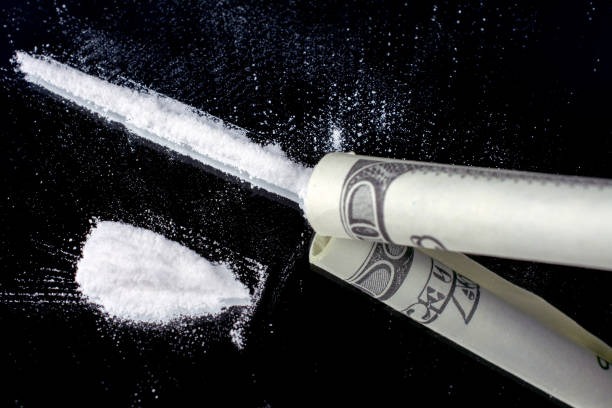
In recent years, conversations around cocaine use and trafficking in regional Australia have intensified—and Mildura has increasingly found itself part of that discussion. Once viewed as an issue largely confined to major metropolitan areas, cocaine is now drawing attention in smaller communities, raising concerns among residents, authorities, and policymakers alike.
This article explores why cocaine in Mildura is becoming a more widely discussed topic, examining recent developments, social impacts, and the broader implications for regional Australia.
A Shift from Urban to Regional Drug Trends
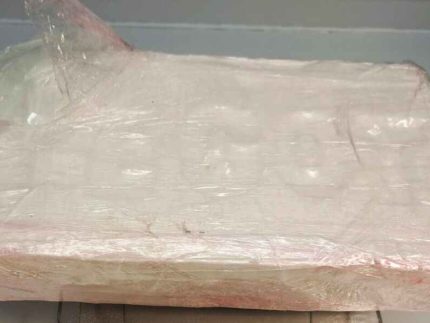
Historically, cocaine has been associated with large cities due to its high price and links to nightlife culture. However, recent law enforcement activity suggests a shift. Regional areas like Mildura are no longer insulated from the drug trade.
Authorities have identified growing supply chains reaching into smaller towns. Improved transportation networks, combined with organized criminal activity, have made it easier for drugs like cocaine to move beyond capital cities.
This shift is not unique to Mildura—it reflects a broader national trend—but the visibility of recent cases has put the town firmly in the spotlight.
Recent Cases Driving Public Attention
One of the main reasons this topic is gaining traction is the emergence of high-profile cases. In March 2026, a local footballer pleaded guilty to trafficking more than $120,000 worth of cocaine and MDMA into Mildura.
The case revealed several important details:
- The quantity of cocaine involved was far above the legal threshold for trafficking.
- The drugs were part of a coordinated pickup operation.
- The accused faces serious legal consequences, including potential imprisonment.
This incident shocked many residents because it involved a recognizable community member, highlighting how drug issues can intersect with everyday life.
Additional cases—including arrests linked to organized crime and earlier drug seizures involving cocaine, methamphetamine, and heroin—have reinforced the perception that Mildura is not immune to larger criminal networks.
The Role of Organized Crime
Another factor driving attention is the growing link between regional drug activity and organized crime. Law enforcement agencies have repeatedly emphasized that illicit drugs in towns like Mildura are often connected to broader criminal syndicates.
Investigations in the region have uncovered:
- Multi-property raids targeting trafficking operations
- Links to outlaw motorcycle gangs
- Coordinated supply chains distributing multiple drug types
Police have made it clear that regional communities are not “safe havens” for these operations and that intelligence-led policing will continue to target such networks.
This connection to organized crime adds a layer of seriousness to the issue, elevating it from a local concern to a matter of national importance.
Social and Community Impact
The growing visibility of cocaine in Mildura is not just a legal issue—it also has social consequences. Drug use and trafficking can affect communities in several ways:
1. Health Risks
Cocaine use carries significant health risks, including addiction, cardiovascular issues, and mental health problems. In smaller communities, access to specialized treatment services may be limited, making recovery more challenging.
2. Strain on Local Services
Police, courts, and healthcare systems can face increased pressure as drug-related incidents rise. This can divert resources from other community needs.
3. Changing Community Perception
As more cases come to light, public perception shifts. Residents may feel less secure, and the town’s reputation can be affected.
Why Mildura Specifically?
Mildura’s geographic and economic characteristics may also contribute to its growing relevance in drug-related discussions:
- Border Location: Situated near state borders, Mildura can serve as a transit point for drugs moving between regions.
- Transport Links: Road networks connecting to major cities make distribution easier.
- Regional Growth: As the town grows, so does demand for various goods—including illicit substances.
These factors do not make Mildura unique, but they do help explain why it has appeared more frequently in recent reports.
Increased Media Coverage and Awareness
Another reason for the heightened attention is media coverage. News outlets are increasingly reporting on drug-related incidents in regional areas, bringing issues that may have previously gone unnoticed into the public eye.
Recent headlines involving cocaine seizures, trafficking charges, and court cases have contributed to:
- Greater public awareness
- Community discussions about safety
- Calls for stronger prevention and intervention strategies
Media attention can amplify the perceived scale of the issue, but it also plays a crucial role in informing the public.
Law Enforcement Response
Authorities have responded proactively to the growing concern. Police operations in and around Mildura have included:
- Surveillance and intelligence gathering
- Targeted raids on suspected trafficking networks
- Collaboration with national agencies
These efforts aim not only to disrupt supply but also to deter future activity.
Importantly, law enforcement agencies have emphasized that tackling drug issues requires a combination of enforcement, education, and community engagement.
The Bigger Picture: A National Trend
While Mildura is currently receiving attention, the issue reflects a wider pattern across Australia. Cocaine availability has increased nationally, driven by international supply chains and high demand.
Large-scale importation cases—sometimes involving hundreds of kilograms—demonstrate the scale of the problem at the national level.
Regional towns are increasingly part of this network, whether as distribution points or end markets.
Community Response and the Path Forward
Addressing the issue of cocaine in Mildura requires a balanced approach. Key strategies include:
Education and Prevention
Raising awareness about the risks of drug use can help reduce demand, particularly among younger populations.
Support Services
Improving access to addiction treatment and mental health services is essential for those affected.
Community Engagement
Encouraging residents to report suspicious activity and participate in local initiatives can strengthen community resilience.
Continued Policing
Ongoing enforcement efforts are necessary to disrupt supply chains and hold offenders accountable.
Conclusion
The growing attention on cocaine in Mildura is the result of multiple converging factors: high-profile cases, increased media coverage, links to organized crime, and broader national trends.
While the issue is complex, its rising visibility presents an opportunity. By acknowledging the problem and working collaboratively—across law enforcement, healthcare, and the community—Mildura can take meaningful steps toward addressing the challenges it faces.
Ultimately, the conversation around cocaine in Mildura is not just about one town—it reflects changing dynamics in drug use and distribution across regional Australia.