
Blog
The Reality of Cocaine in Melbourne: Myths vs Facts


The Reality of Cocaine in Melbourne: Myths vs Facts
Cocaine has long been surrounded by glamour, mystery, and misinformation. In cities like Melbourne, where nightlife, social culture, and global influences converge, perceptions of cocaine often blur the line between reality and myth. While some see it as a “party drug” with minimal consequences, the truth is far more complex—and often more dangerous.
This blog explores the real story behind cocaine use in Melbourne by breaking down common myths and contrasting them with verified facts.
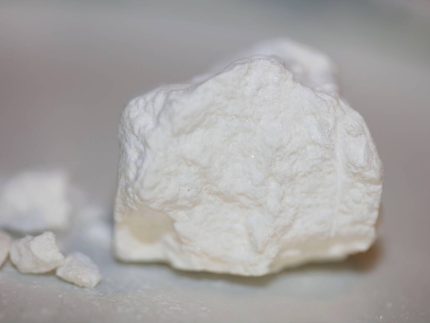
Understanding Cocaine: A Quick Overview
Before diving into myths, it’s important to understand what cocaine actually is. Cocaine is a powerful stimulant derived from the coca plant. It speeds up communication between the brain and body, producing short-lived feelings of energy, confidence, and euphoria.
However, these effects are temporary—often lasting less than an hour—and are usually followed by a “crash” that can include fatigue, irritability, and anxiety.
Myth #1: Cocaine Is Rare in Melbourne
Fact: Cocaine Use Is Increasing in Australia
One of the biggest misconceptions is that cocaine is uncommon in Melbourne. While historically less prevalent than other drugs, recent data suggests otherwise.
According to national statistics, around 4.5% of Australians reported using cocaine in the past year, equating to roughly 1 million people.
Additionally, law enforcement and wastewater analysis indicate that cocaine consumption has been rising, with Australia becoming an attractive market due to high prices and demand.
Melbourne, as one of Australia’s largest cities, plays a significant role in this trend—particularly within nightlife and entertainment districts.
Myth #2: Cocaine Is Only Used by Criminals
Fact: Users Come from Diverse Backgrounds
Another common myth is that cocaine use is limited to criminals or marginalized communities. In reality, research shows a very different picture.
Studies in Melbourne and Sydney have found that many cocaine users are young, employed, and socially integrated individuals who use the drug recreationally.
This challenges stereotypes and highlights an important truth: cocaine use spans across social classes, professions, and lifestyles.
However, this does not make it safe—it simply makes the issue more widespread and less visible.
Myth #3: Cocaine Is a “Safe Party Drug”
Fact: Cocaine Carries Serious Health Risks
Cocaine is often glamorized as a harmless substance for parties or special occasions. This perception is dangerously misleading.
Short-term risks include:
- Increased heart rate and blood pressure
- Anxiety, agitation, or aggression
- Overheating and dehydration
Long-term or heavy use can lead to:
- Heart disease
- Mental health disorders
- Addiction and dependence
Even occasional use can trigger severe complications, especially for individuals with underlying health conditions.
Myth #4: You Always Know What You’re Taking
Fact: Adulterated Cocaine Is a Growing Threat
One of the most alarming realities in Melbourne is the presence of contaminated or misrepresented drugs.
Health authorities have reported cases where substances sold as cocaine actually contained heroin or other dangerous opioids, leading to unexpected overdoses.
More recently, warnings have emerged about synthetic opioids being mixed into cocaine, dramatically increasing the risk of fatal outcomes.
This means users often have no reliable way of knowing what they are consuming, making every use potentially life-threatening.
Myth #5: Cocaine Isn’t Addictive
Fact: Cocaine Can Lead to Psychological Dependence
While cocaine may not always cause physical withdrawal in the same way as some other drugs, it is highly addictive psychologically.
Because the “high” is short-lived, users may take repeated doses in a short period—a pattern known as binge use.
Over time, this can lead to:
- Increased tolerance
- Cravings
- Loss of control over use
Addiction doesn’t happen overnight, but the risk is very real—even for casual users.
Myth #6: Cocaine Use Has No Impact on Society
Fact: It Affects Communities, Economy, and Crime
Cocaine use doesn’t just impact individuals—it has broader social consequences.
Australia’s cocaine market is fueled by international trafficking networks, generating massive profits due to high local prices.
There are also links between illicit drug use and criminal activity, though the relationship is complex and varies across populations.
In cities like Melbourne, this contributes to:
- Organized crime
- Public health challenges
- Increased burden on healthcare and law enforcement
Myth #7: Cocaine Use Is Declining
Fact: Demand Remains Strong
Despite increased awareness and law enforcement efforts, cocaine use has not disappeared.
Reports suggest that trafficking groups continue to target Australia aggressively due to high demand and profitability.
In some areas, consumption trends have even surged in recent years, reflecting changing social attitudes and accessibility.
The Hidden Reality: Why Myths Persist
So why do these myths continue?
- Media glamorization – Movies and pop culture often portray cocaine as glamorous.
- Social normalization – In certain circles, its use is seen as acceptable or even trendy.
- Lack of education – Many people are unaware of the real risks and statistics.
These factors create a dangerous disconnect between perception and reality.
A Balanced Perspective
It’s important to approach this topic with nuance. Not everyone who uses cocaine becomes addicted or experiences severe harm. However, the risks are significant—and often underestimated.
The key takeaway is not fear, but awareness.
Understanding the facts empowers individuals to make informed decisions and encourages healthier conversations about drug use in society.
Final Thoughts
The reality of cocaine in Melbourne is far removed from the myths that surround it. It is neither rare nor harmless, and its impact extends beyond individuals to the wider community.
By separating myth from fact, we can better understand the challenges associated with cocaine use—and work toward safer, more informed communities.
Whether you’re a student, professional, or simply curious, one thing is clear: knowledge is the first step toward change.