Blog
Plymouth’s Drug Scene Explained: Facts About Cocaine Use

Plymouth’s Drug Scene Explained: Facts About Cocaine Use
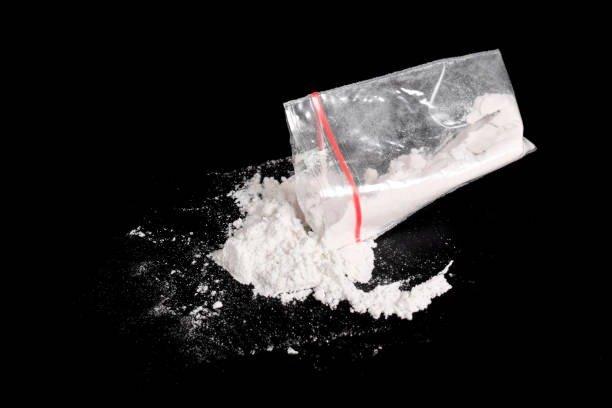
Plymouth’s Drug Scene Explained: Facts About Cocaine Use. Plymouth, a historic coastal city in southwest England, is known for its maritime heritage and vibrant culture. However, like many urban areas across the UK, it also faces ongoing challenges related to substance misuse. Among these, cocaine use—particularly crack cocaine—has become a significant concern. Understanding the reality behind Plymouth’s drug scene is essential for raising awareness, reducing stigma, and encouraging informed conversations.
Understanding Drug Use in Plymouth
Drug misuse in Plymouth is not an isolated issue—it reflects broader national trends. However, local data reveals that the city experiences higher-than-average rates of substance misuse, especially involving opiates and crack cocaine.
Estimates suggest that around 2,000 individuals in Plymouth use opiates and/or crack cocaine, a rate approximately 27% higher than the national average in England.
This highlights a crucial reality: drug use in Plymouth is not just a fringe issue—it affects a substantial portion of the population and has wide-reaching social consequences.
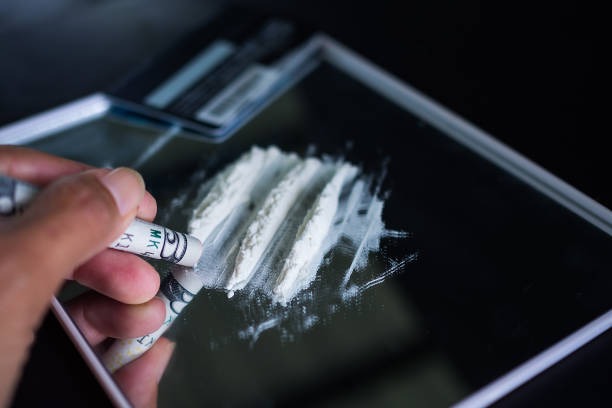
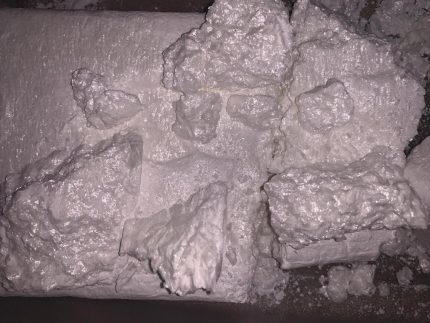
Cocaine Use: Powder vs Crack
When discussing cocaine in Plymouth, it’s important to distinguish between two main forms:
- Powder cocaine – Typically associated with nightlife and recreational use
- Crack cocaine – A more addictive form, often linked to dependency and social hardship
Recent studies across England show a rise in crack cocaine use over the past few years, indicating a shift toward more harmful consumption patterns.
In Plymouth, crack cocaine is particularly concerning because it is closely tied to long-term addiction, health risks, and economic hardship.
The Link Between Cocaine and Social Issues
Cocaine use in Plymouth is deeply intertwined with broader social challenges. According to public health data, substance misuse is strongly associated with:
- Mental health disorders
- Homelessness
- Domestic violence
- Unemployment
- Crime and anti-social behavior
In fact, around 70–80% of people with substance misuse issues also experience mental health problems, creating a cycle that is difficult to break.
Rather than being purely recreational, cocaine use often becomes a coping mechanism for individuals dealing with trauma, stress, or socioeconomic disadvantage.
Cocaine and Crime in Plymouth
One of the most visible impacts of cocaine use is its connection to crime. Drug dependency can lead individuals to engage in illegal activities to fund their habits.
Historically, authorities have noted that drug users may spend significant amounts—sometimes thousands of pounds annually—on substances, often financed through acquisitive crime.
However, it’s worth noting that Plymouth’s drug market is considered less violent compared to larger UK cities, despite ongoing challenges.
This suggests that while drug use is widespread, it does not always translate into the same level of organized violence seen elsewhere.
Nightlife and Recreational Cocaine Use
Cocaine is also present in Plymouth’s nightlife scene. Police reports indicate that drugs such as cocaine and ketamine are commonly detected in bars and clubs, with hundreds of drug-related items confiscated annually.
In these environments, cocaine is often perceived as a “social drug,” used to enhance energy and confidence. However, this perception can be misleading, as even occasional use carries risks including:
- Addiction
- Heart complications
- Anxiety and paranoia
- Financial strain
The normalization of cocaine in nightlife settings contributes to its broader acceptance, making prevention efforts more challenging.
Community Perspectives and Lived Experiences
Local perspectives offer valuable insight into Plymouth’s drug scene. Discussions on community forums suggest that many residents perceive an increase in visible drug use, particularly in certain neighborhoods.
“There seems to be a massive increase in visible drug use…”
Others highlight how cocaine use often goes unnoticed because it is normalized in social settings, especially when combined with alcohol.
These lived experiences underline an important point: statistics only tell part of the story. The real impact of cocaine use is felt daily by communities, families, and individuals.
Health Risks of Cocaine Use
Cocaine is a powerful stimulant that affects the central nervous system. While some users may view it as a recreational substance, its health risks are significant:
Short-Term Effects
- Increased heart rate and blood pressure
- Euphoria followed by crashes
- Reduced appetite
- Risk of overdose
Long-Term Effects
- Addiction and dependency
- Cardiovascular damage
- Respiratory issues (especially with crack cocaine)
- Mental health disorders such as depression and anxiety
Plymouth has also recorded higher-than-average rates of drug-related hospital admissions and deaths, emphasizing the seriousness of the issue.
Treatment and Recovery Efforts
Despite the challenges, Plymouth has made significant efforts to address substance misuse. The city provides a range of services, including:
- Community-based treatment programs
- Detox and rehabilitation services
- Mental health support
- Harm reduction initiatives
Encouragingly, about 47% of people in treatment show substantial progress, aligning with national averages.
Additionally, Plymouth performs well in engaging individuals in treatment, reaching a higher percentage of users than many other areas in England.
This demonstrates that while the problem is serious, there are effective systems in place to support recovery.
Why Awareness Matters
Understanding Plymouth’s cocaine use is not about sensationalism—it’s about awareness and prevention. Misconceptions about cocaine being a “harmless party drug” can lead to increased experimentation, especially among young people.
Education plays a crucial role in:
- Reducing stigma
- Encouraging people to seek help
- Preventing first-time use
- Supporting community safety
By addressing the root causes—such as poverty, trauma, and mental health—communities can work toward long-term solutions.
Conclusion
Plymouth’s drug scene is complex, shaped by social, economic, and health factors. Cocaine use, particularly crack cocaine, remains a significant concern due to its impact on individuals and communities.
While the city faces higher-than-average rates of substance misuse, it also demonstrates resilience through strong treatment programs and community support systems.
The key takeaway is clear: cocaine use in Plymouth is not just a personal issue—it is a public health challenge that requires awareness, compassion, and collective action.
By understanding the facts, breaking down stigma, and supporting recovery efforts, Plymouth can continue working toward a safer and healthier future.