Blog
Cocaine in Montenegro: Statistics Trends and Social Impact


Cocaine in Montenegro: Statistics Trends and Social Impact
Montenegro, a small yet strategically positioned country in Southeast Europe, has increasingly found itself at the center of discussions surrounding drug trafficking and cocaine use. While traditionally overshadowed by larger European markets, recent data and regional dynamics suggest that cocaine is becoming a more visible issue within Montenegrin society. This blog explores the statistics, emerging trends, and broader social impact of cocaine use in Montenegro.
The Growing Presence of Cocaine in Montenegro
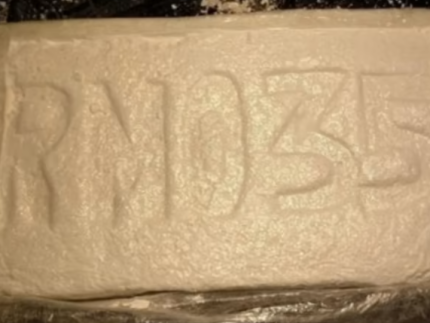
Montenegro’s geographic location along the Adriatic coast makes it a key transit hub for illicit drugs entering Europe. Cocaine produced in South America is often trafficked through European ports, and Balkan criminal networks—including those linked to Montenegro—play a major role in distribution across the continent.
This strategic positioning has led to increased availability of cocaine within the country itself. As supply chains expand, local consumption has also risen, particularly in urban areas and tourist hotspots.
Reports indicate that cocaine is no longer confined to elite circles but is gradually spreading across different social groups. Lower prices and easier access have made it more attainable for a wider population, contributing to its growing presence in nightlife and social scenes.
Key Statistics and Data Insights
Although Montenegro lacks a fully comprehensive national drug monitoring system, available statistics provide valuable insights into cocaine use:
- Around 0.7% of teenagers reported trying cocaine at an early age, higher than the European average of 0.4%.
- Drug use among youth is significant, with 1 in 10 teenagers having experimented with drugs before age 16.
- Cocaine accounts for an estimated 10–20% of all drug use cases in the country.
- Law enforcement seizures show fluctuations, with 568 kg of cocaine seized over three years, indicating active trafficking routes.
These figures highlight that while Montenegro may not have the highest prevalence rates in Europe, cocaine use is steadily rising and becoming more normalized in certain demographics.
Trends Driving Cocaine Use
1. Increased Availability and Lower Prices
One of the most significant drivers of cocaine use in Montenegro is its affordability. Reports suggest that drug prices in the country are among the lowest in the region, making cocaine more accessible to younger users and middle-income groups.
2. Tourism and Nightlife Culture
Montenegro’s booming tourism industry—especially in coastal cities like Budva and Kotor—has contributed to a thriving nightlife scene. Cocaine is often associated with party culture, and the influx of tourists has further fueled demand.
3. Organized Crime Networks
Balkan organized crime groups are heavily involved in global cocaine trafficking. Their operations not only facilitate transit but also increase domestic availability.
4. Shifting Drug Preferences
Historically, heroin was a major concern in the region. However, recent trends indicate a shift toward stimulants like cocaine and synthetic drugs, particularly among younger users seeking recreational experiences.
Social and Public Health Impact
1. Rising Addiction Rates
Health professionals in Montenegro have reported an increase in cocaine addiction cases. Lower prices and higher purity levels contribute to faster dependency, especially among new users.
Addiction is often accompanied by other risky behaviors, including alcohol abuse and gambling, compounding the social impact.
2. Youth Vulnerability
The relatively high rate of early experimentation among teenagers is a major concern. Exposure at a young age increases the likelihood of long-term substance abuse and mental health issues.
Early drug use is also linked to:
- Academic decline
- Risky social behavior
- Increased likelihood of criminal involvement
3. Public Health Risks
Although cocaine is typically not injected, the broader drug culture in Montenegro still poses health risks. Studies on drug users in Podgorica show high rates of infections such as hepatitis C among injecting drug users, indicating gaps in harm-reduction services.
This suggests that the overall drug environment—including cocaine use—can contribute indirectly to wider public health challenges.
4. Crime and Violence
Cocaine trafficking is closely tied to organized crime, which can lead to violence, corruption, and instability. In the Balkans, competition among criminal groups involved in drug smuggling has been linked to conflicts and even murders.
Montenegro’s involvement in international drug routes places it at risk of becoming further entangled in these criminal networks.
5. Economic and Institutional Strain
Drug trafficking and addiction place a burden on public institutions, including:
- Healthcare systems
- Law enforcement agencies
- Social services
Additionally, illicit drug money is often laundered into legitimate sectors such as construction and tourism, distorting the economy and fostering corruption.
Government Response and Challenges
Montenegro has taken steps to address drug use, including preventive programs and law enforcement efforts. However, several challenges remain:
- Lack of updated national drug strategy since 2020
- Limited coordination between institutions
- Insufficient treatment facilities for addiction
- Weak integration with European early warning systems
These gaps hinder the country’s ability to effectively monitor and respond to emerging drug trends.
The Role of Families and Communities
Experts emphasize that family support plays a crucial role in addiction recovery. In Montenegro, community-based approaches are increasingly recognized as essential for prevention and rehabilitation.
Key strategies include:
- Raising awareness about drug risks
- Encouraging open communication within families
- Supporting early intervention programs
Such measures can help reduce stigma and promote healthier lifestyles among young people.
Looking Ahead: Future Outlook
The future of cocaine use in Montenegro will largely depend on how effectively the country addresses its current challenges. Without stronger policies and improved coordination, the problem is likely to grow.
However, there are opportunities for positive change:
- Strengthening cooperation with European drug monitoring agencies
- Expanding treatment and rehabilitation services
- Investing in education and prevention programs
By taking a proactive approach, Montenegro can mitigate the long-term social and economic consequences of cocaine use.
Conclusion
Cocaine use in Montenegro is a complex issue shaped by geography, economics, and social dynamics. While current statistics may not place the country among Europe’s highest-risk regions, the upward trends in availability, consumption, and addiction are cause for concern.
From youth experimentation to organized crime involvement, the impact of cocaine extends far beyond individual users. It affects families, communities, and national institutions alike.
Addressing this issue requires a comprehensive strategy that combines law enforcement, public health initiatives, and community engagement. Only through a coordinated effort can Montenegro effectively combat the growing influence of cocaine and safeguard its social and economic future.