
Blog
Why Cocaine Use in the UK Is Surging Faster Than Ever

Why Cocaine Use in the UK Is Surging Faster Than Ever. We are witnessing an unprecedented surge in cocaine use across the UK, driven by a combination of increased availability, falling prices, and shifting social attitudes. Recent data indicates that cocaine has become one of the most widely used illicit substances, with millions of users and growing demand across all demographics. The UK now ranks among the highest cocaine-consuming nations globally, highlighting the scale of the issue.
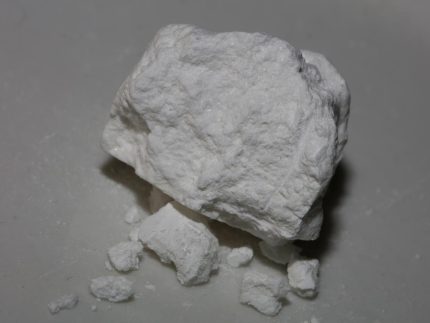
This surge is not isolated—it is part of a broader transformation in the global drug market, where cocaine production and distribution have expanded dramatically.

The Supply Boom: More Cocaine Than Ever Before
One of the most significant drivers behind the rise is the global explosion in cocaine production. Increased coca cultivation, particularly in Latin America, has flooded international markets with supply.
- Global cocaine production has reached record highs, with output exceeding 3,700 tons annually
- Expanded trafficking networks ensure a steady flow into Europe and the UK
- Smuggling techniques have become more sophisticated, making detection harder
As a result, cocaine is now cheaper, purer, and more widely available than at any point in recent history.
Falling Prices and Rising Purity
We are seeing a dramatic shift in affordability. Cocaine, once considered a luxury drug, has become accessible to a much broader population.
- Prices have dropped significantly due to oversupply
- Purity levels have increased, making the drug more potent
- Dealers can reach consumers easily through digital platforms and social media
This combination of lower cost and higher potency has made cocaine more attractive, especially to younger users seeking stronger and quicker effects.
Normalization of Cocaine in Everyday Life
Cocaine use is no longer confined to elite or underground circles. It has become normalized in mainstream social settings, including nightlife, workplaces, and even casual gatherings.
We observe that:
- Cocaine is increasingly seen as a “social drug” rather than a dangerous substance
- Usage spans across working-class and professional groups alike
- Misconceptions about safety contribute to increased experimentation
This normalization has significantly reduced the stigma, encouraging more people to try and continue using the drug.
Rising Use Among Young Adults
Young people are at the center of this surge. Statistics show that usage rates are highest among individuals aged 16–24, with levels nearly double the general population.
Several factors explain this trend:
- Peer pressure and social influence
- Exposure through music, media, and online culture
- Desire for enhanced confidence and energy in social settings
Additionally, wastewater analysis reveals that cocaine use remains consistently high throughout the week, indicating habitual use rather than occasional experimentation.
Increased Availability Through Criminal Networks
The expansion of organized crime has played a crucial role in the cocaine surge. Drug networks have become more efficient, adaptive, and widespread.
Key developments include:
- Growth of urban distribution networks and “county lines” operations
- Increased number of cocaine seizures, reflecting higher circulation
- Cocaine now accounts for a significant share of Class A drug seizures
Despite law enforcement efforts, the scale of supply continues to outpace disruption, ensuring that cocaine remains readily available.
Changing Drug Culture in the UK
We are also seeing a broader shift in drug culture. Cocaine is increasingly favored over other substances due to its perceived controllability and short-term effects.
- Decline in some traditional drugs like heroin
- Rise in stimulant-based substances, including cocaine and ketamine
- Cocaine fits modern lifestyles that prioritize energy, productivity, and social interaction
This cultural shift has embedded cocaine use into daily routines rather than occasional indulgence.
Mental Health and Lifestyle Pressures
Modern life pressures are another contributing factor. Many users turn to cocaine as a way to cope with:
- Stress and anxiety
- Work-related pressures
- Social expectations and performance demands
However, this coping mechanism often leads to dependency and worsening mental health, creating a cycle that fuels continued use.
Increasing Treatment Demand and Health Impact
The surge in cocaine use is reflected in rising treatment numbers and health consequences.
- Drug treatment services have seen a significant increase in demand, reaching record levels
- Cocaine-related deaths have risen sharply, with over 1,100 fatalities recorded in a single year
- More individuals are entering treatment specifically for cocaine addiction
These figures highlight the growing burden on healthcare systems and communities.
Economic and Social Consequences
The impact extends beyond individual users. Cocaine use is linked to:
- Increased crime and violence
- Domestic abuse and family breakdown
- Reduced productivity and economic losses
Estimates suggest that drug misuse costs the UK economy billions annually, affecting public services, law enforcement, and healthcare systems.
Why the Surge Is Accelerating
We can identify several key reasons why cocaine use in the UK is rising faster than ever:
- Global oversupply driving down prices
- Higher purity increasing demand and addiction potential
- Normalization in social and professional environments
- Advanced trafficking and distribution networks
- Growing mental health challenges and lifestyle pressures
- Reduced stigma and increased accessibility via digital channels
These factors are not acting independently—they are reinforcing each other, accelerating the spread of cocaine use across society.
A Critical Turning Point
The UK is at a critical point where cocaine use is transitioning from a serious issue to a widespread societal challenge. The combination of availability, affordability, and acceptance has created conditions for rapid expansion.
Without targeted intervention, this trend is likely to continue, impacting future generations and placing even greater strain on public systems.
Conclusion
The surge in cocaine use across the UK is driven by a complex interplay of global supply chains, economic factors, cultural shifts, and social pressures. What was once a niche drug has evolved into a mainstream substance embedded in modern life.
Understanding these drivers is essential to addressing the crisis effectively. The trajectory is clear: unless disrupted, cocaine use will continue to rise, reshaping the UK’s public health landscape and social fabric for years to come.