Blog
Why Cocaine Use in Bradford Is Raising Alarm Bells in 2026


Why Cocaine Use in Bradford Is Raising Alarm Bells in 2026
Why Cocaine Use in Bradford Is Raising Alarm Bells in 2026. In 2026, concerns over cocaine use are no longer confined to major metropolitan hubs—they are increasingly centered on cities like Bradford. Once viewed as a problem tied primarily to nightlife districts in London or Manchester, cocaine consumption has spread into regional communities, bringing with it serious public health, crime, and social challenges. The growing visibility of cocaine use in Bradford has sparked alarm among local authorities, healthcare providers, and residents alike. But what exactly is driving this surge—and why does it matter now more than ever?
A National Problem Reaching Local Streets
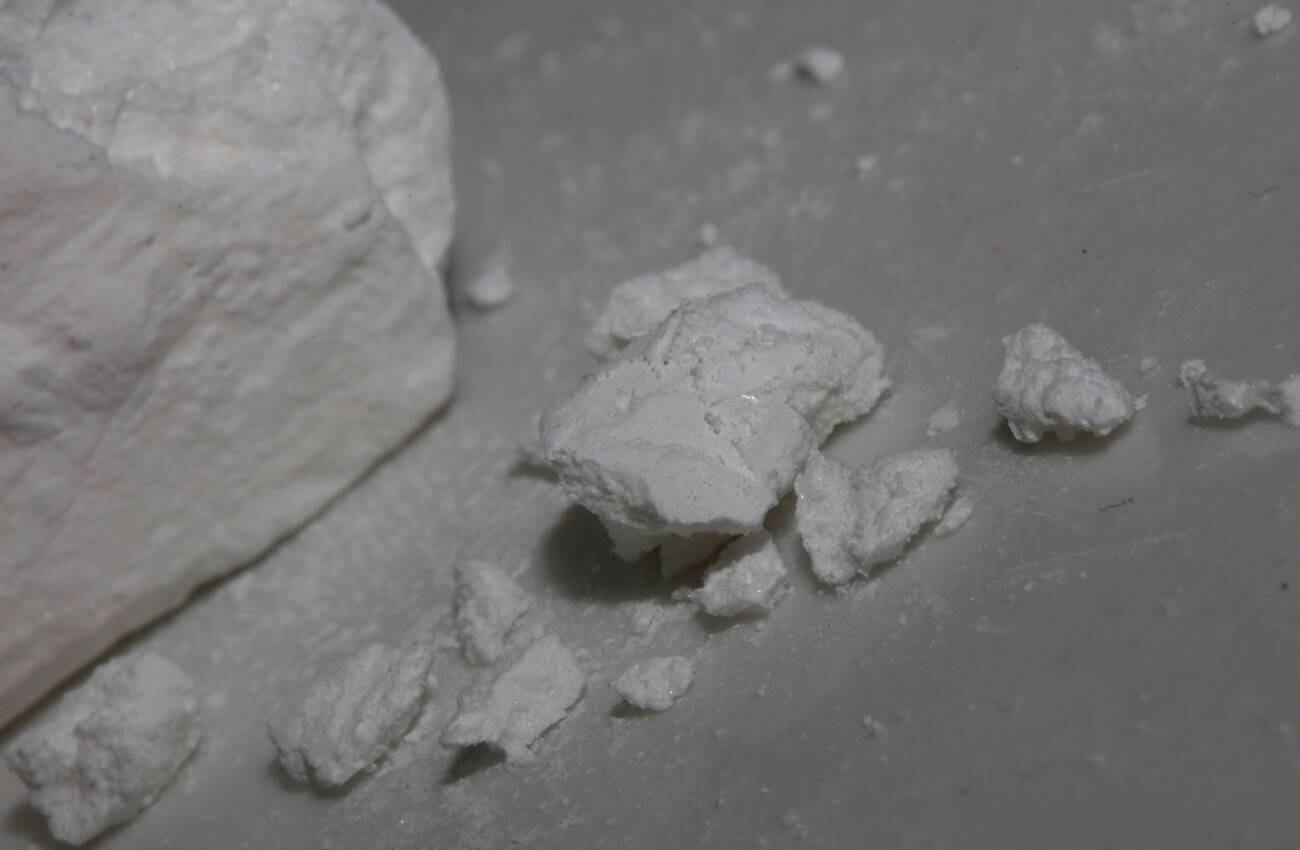
To understand Bradford’s situation, it’s important to first look at the broader UK context. Cocaine use across the country has reached record levels in recent years, with nearly one million users annually. This surge is not just about numbers—it reflects a cultural shift. Cocaine has increasingly been perceived as a “social” drug, particularly among young adults and working professionals.
In fact, recent reports highlight that many users now view cocaine as relatively harmless, contributing to its normalization in everyday social settings. This perception has lowered the psychological barrier to experimentation, leading to a wider and more diverse user base.
For cities like Bradford, this national trend translates into local realities: increased availability, rising demand, and more visible consequences.
Rising Drug-Related Crime in Bradford
One of the most immediate warning signs is the rise in drug-related crime. In Bradford, drug offences account for a growing share of reported incidents, with over 2,600 cases recorded annually and a noticeable year-on-year increase.
While not all drug crime is directly linked to cocaine, the substance plays a significant role in fueling illegal activity. The expansion of “county lines” networks—where organized gangs distribute drugs across regions—has made cocaine more accessible in smaller cities and towns. These networks often exploit vulnerable individuals, including teenagers, to transport and sell drugs.
The ripple effect is clear: more drugs on the streets lead to more crime, more policing pressure, and greater strain on community safety.
The Accessibility Factor: Easier Than Ever Before
One of the most concerning developments in 2026 is how easy it has become to obtain cocaine. Unlike the past, where access required specific contacts, today’s users can often source the drug within minutes through social media platforms or messaging apps.
This shift has fundamentally changed the drug market. Dealers now operate with the efficiency of legitimate businesses, advertising deals and responding quickly to demand.
For Bradford’s younger population, this accessibility is particularly dangerous. When a substance becomes as easy to obtain as fast food, the perceived risk diminishes—even though the actual risks remain severe.
Health Risks and Rising Fatalities
Cocaine is a powerful stimulant with serious health consequences. It affects the heart, brain, and mental health, and can lead to addiction even after short-term use. Medical experts warn that cocaine significantly increases the risk of heart attacks, strokes, and psychosis.
The statistics are sobering. Cocaine-related deaths in the UK have reached record highs, with over 1,100 fatalities reported in a single year. These deaths are often linked to risky behaviors, such as mixing cocaine with alcohol—a combination that produces a toxic compound known as cocaethylene.
In Bradford, healthcare services are seeing the impact firsthand. More individuals are seeking treatment for cocaine dependency, reflecting a shift from casual use to addiction. This trend places additional pressure on already stretched health services.
Social Impact: Families and Communities at Risk
Beyond individual health, cocaine use has far-reaching social consequences. Families are often the first to feel the strain, as addiction can lead to financial problems, relationship breakdowns, and emotional distress.
There is also a growing link between cocaine use and violent behavior. National data suggests that a significant proportion of domestic abuse cases involve individuals under the influence of drugs, including cocaine.
For communities in Bradford, this translates into a sense of unease. Rising drug use can erode trust, increase antisocial behavior, and create environments where crime becomes normalized.
Economic Drivers Behind the Surge
Another factor contributing to the rise in cocaine use is its perceived “value” in social settings. Some users see it as a way to enhance nightlife experiences while reducing alcohol consumption costs.
At the same time, the UK cocaine market is estimated to be worth billions of pounds annually, making it highly attractive to criminal organizations. These groups continuously adapt their strategies, ensuring a steady supply and expanding their reach into cities like Bradford.
The result is a cycle that is difficult to break: high demand fuels supply, and increased supply lowers prices and boosts accessibility.
Why 2026 Feels Like a Turning Point
While cocaine use has been rising for years, 2026 stands out as a critical moment. Several factors have converged:
- Record-level availability due to global production increases
- Normalization of use in social and professional circles
- Digital drug markets enabling rapid distribution
- Rising health and crime impacts becoming harder to ignore
Together, these elements create a perfect storm—one that cities like Bradford are now confronting head-on.
What Can Be Done?
Addressing the cocaine issue in Bradford requires a multi-faceted approach. Law enforcement alone cannot solve the problem. Instead, a combination of strategies is needed:
- Education and awareness: Challenging the misconception that cocaine is a harmless “party drug”
- Early intervention: Supporting at-risk individuals before casual use turns into addiction
- Improved treatment services: Expanding access to rehabilitation and mental health support
- Community engagement: Empowering local organizations to play a role in prevention
Public health experts emphasize that reducing demand is just as important as disrupting supply. Without tackling the root causes—such as social pressures, mental health issues, and economic factors—the problem is likely to persist.
Final Thoughts
The rise of cocaine use in Bradford is more than just a local issue—it is a reflection of a broader national crisis that has reached a tipping point in 2026. What makes this situation particularly alarming is not just the scale of use, but the shifting attitudes that make cocaine seem acceptable or even routine.
Behind every statistic is a real story: a family affected, a life disrupted, a community under strain. Recognizing the seriousness of the issue is the first step toward meaningful change.
If Bradford—and the UK as a whole—is to reverse this trend, it will require collective action, informed policy decisions, and a renewed focus on public health. The alarm bells are ringing. The question now is whether society is ready to respond.